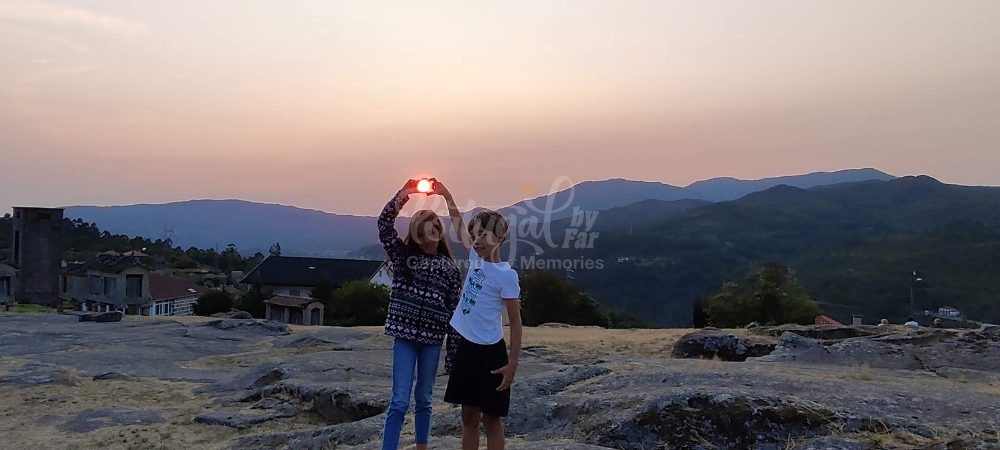
Chapter 10 — Lindoso: Castles, Granaries and New Friends at Sunset
A quick breakfast, the caravan folded and secured, and we were back on the road, through the mountains again, heading toward the Spanish border. Our destination was Lindoso.
A Drive Worth Every Stop
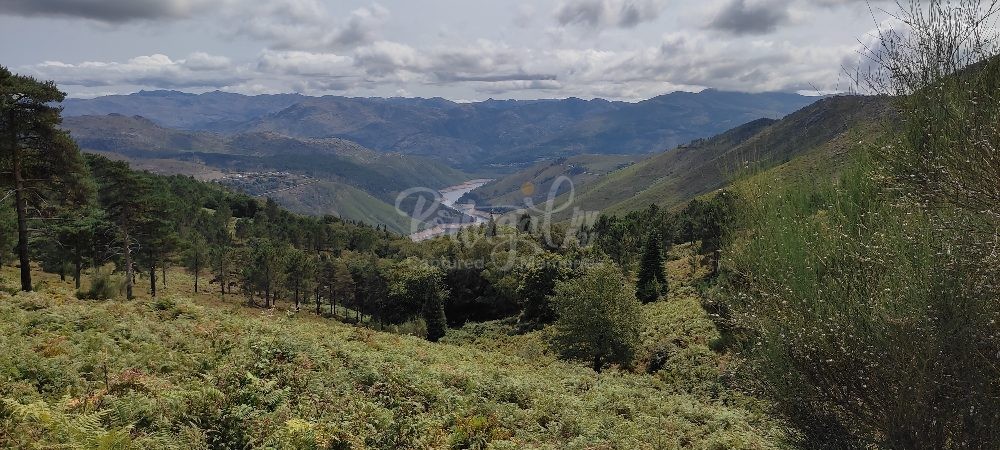
I have taken a lot of photographs in my life. That drive through the northern mountains toward Lindoso might be the one where I stopped the most times.
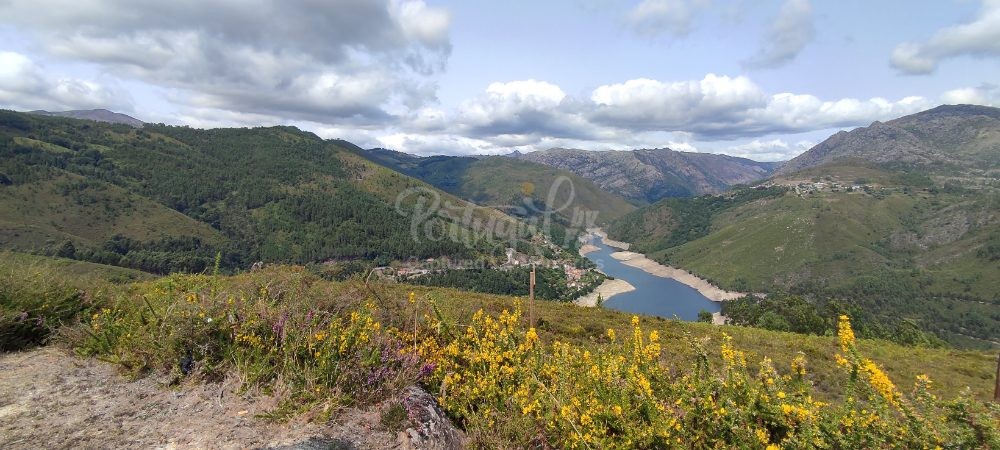
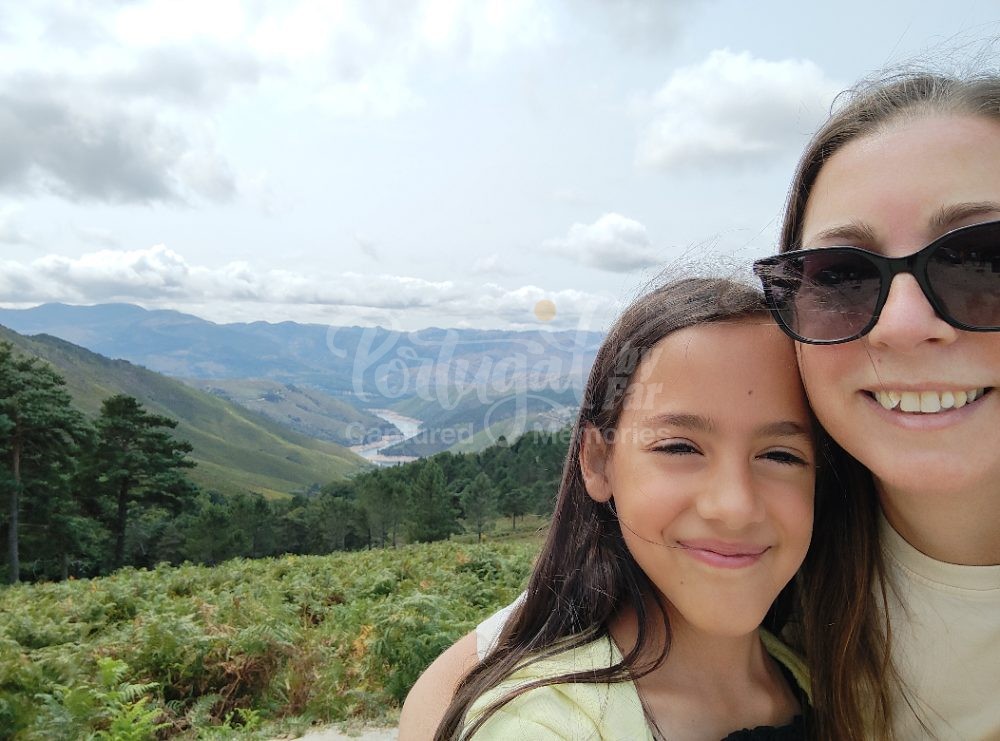
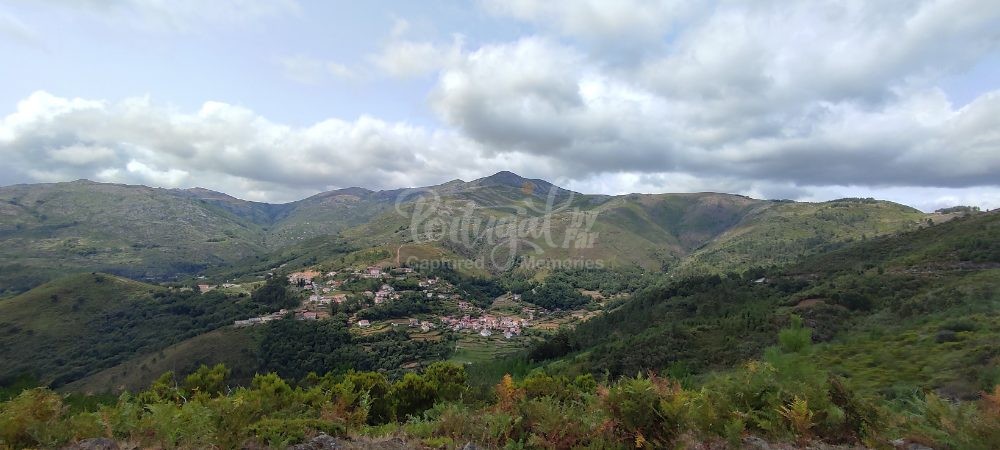
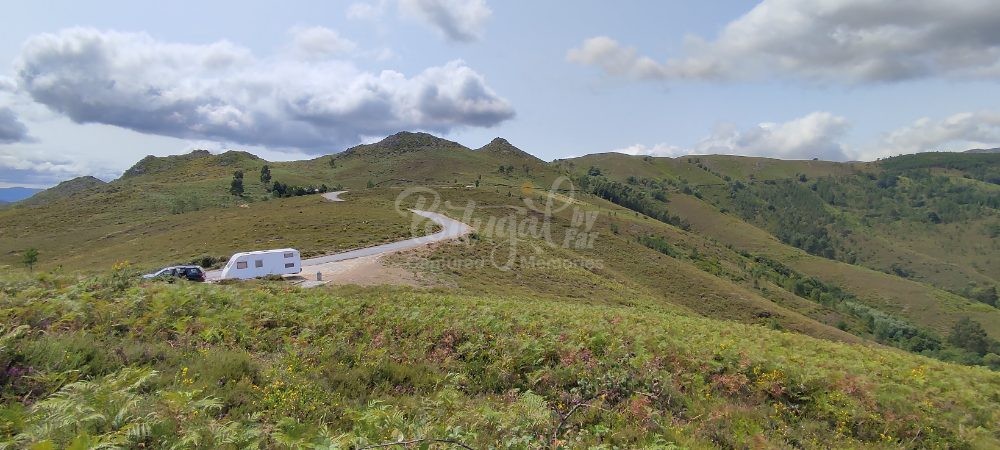
The road wound through the kind of scenery that doesn't give you a choice, you simply have to pull over. We were overlooking the Lima River far below on the Spanish side, the mountain meadows painted in an extraordinary mix of greens and yellows and purples that no filter could improve. And moving through it all, unhurried and completely at home, small herds of wild Garrano horses, the same breed we'd fallen for at Lamas de Mouro, roaming freely through the villages and across the open slopes exactly as they have for twenty thousand years.
Every time we spotted them I felt the same thing. A kind of quiet joy that doesn't need words.
If this drive sounds like your kind of afternoon, the Lima Valley between Ponte da Barca and Lindoso is one of the most beautiful and least visited stretches of road in northern Portugal. There's a wonderful selection of rural accommodation in the Lima Valley and some genuinely lovely quinta stays and nature retreats near Lindoso that put you right in the heart of Garrano country. Compare all options before you book.
For hiking gear, waterproof layers and good walking shoes for the trails around Lindoso and the national park, trail shoes and a good waterproof backpack are the two non-negotiables for a day in this part of Portugal.
Lunch in Teso — and a Very Colorful Ice Drink
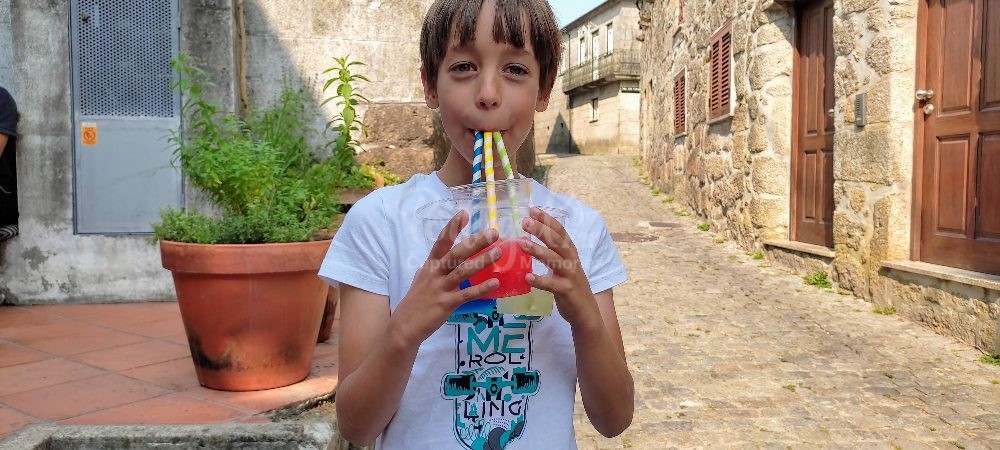
We took a long stop for lunch in the old town of Teso, a sweet little place with that particular cheerful atmosphere that northern Portuguese towns do so well. Local art shops, produce stalls, dogs at every corner patiently accepting our attention. The kids found an ice drink that turned their tongues spectacular colors and considered this the highlight of the stop. Given that it was also the twins' birthday, we let that stand.
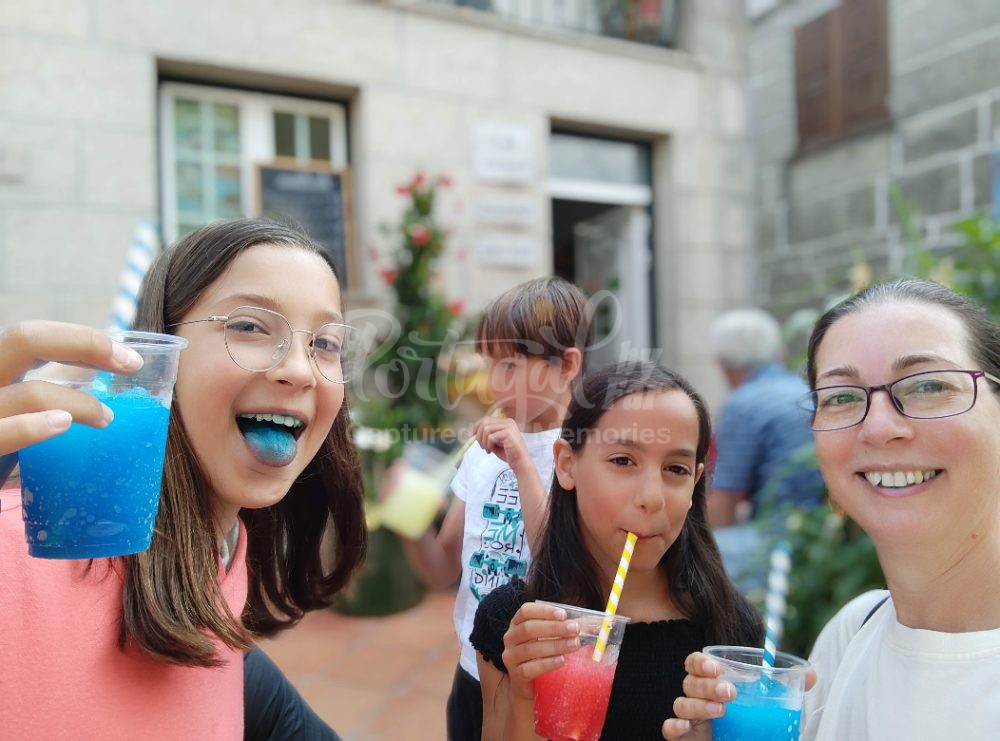
We walked, we browsed, we petted every dog who would allow it. The atmosphere was happy and unhurried and exactly what a birthday afternoon should feel like.
Arriving at Lindoso — The Granaries That Stopped Us Cold
We arrived in the late afternoon, the sun already beginning its slow descent toward the mountains but nowhere near done yet. Neither were we.
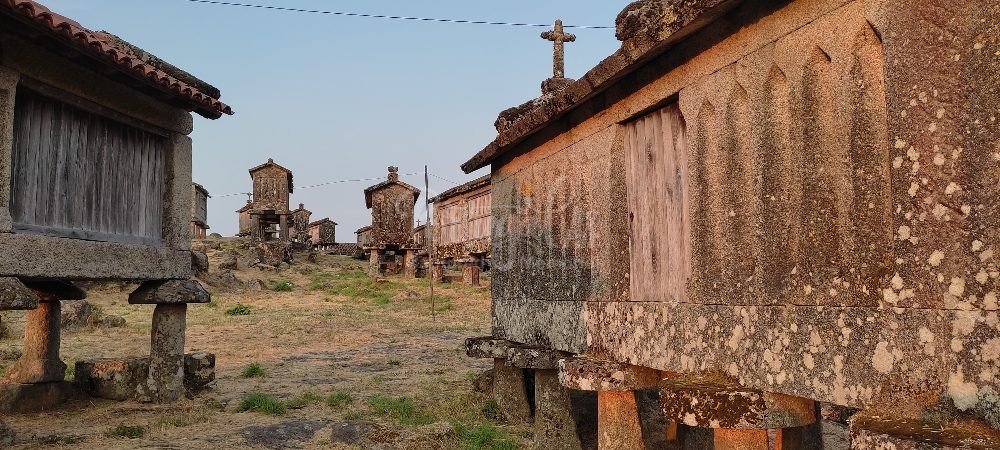
On the path up toward Lindoso Castle, something stopped us before we even got close to it.
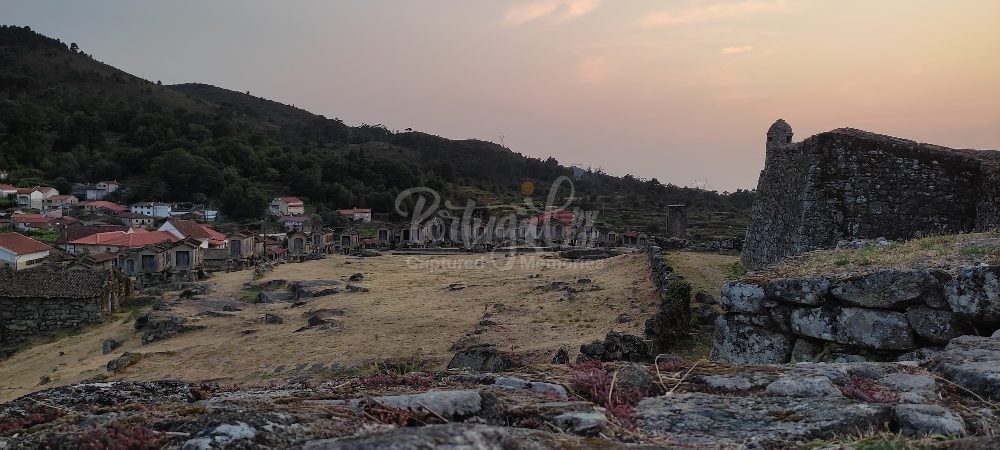
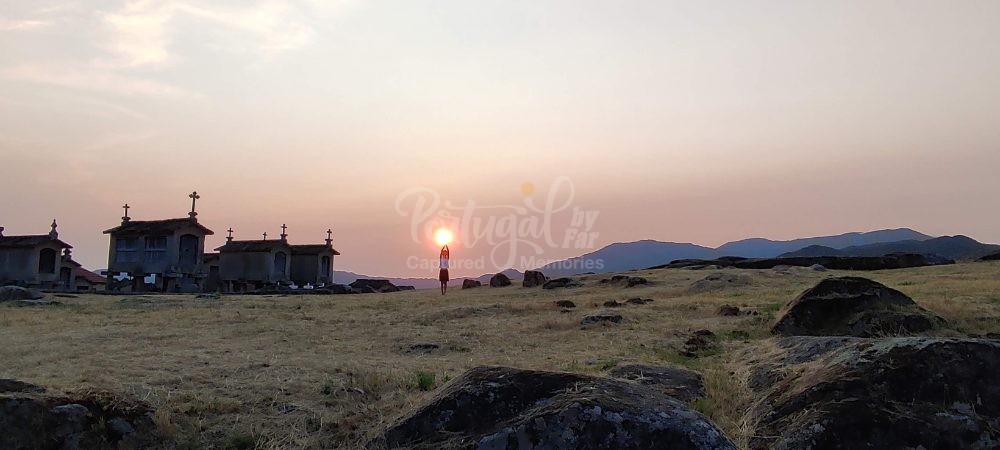
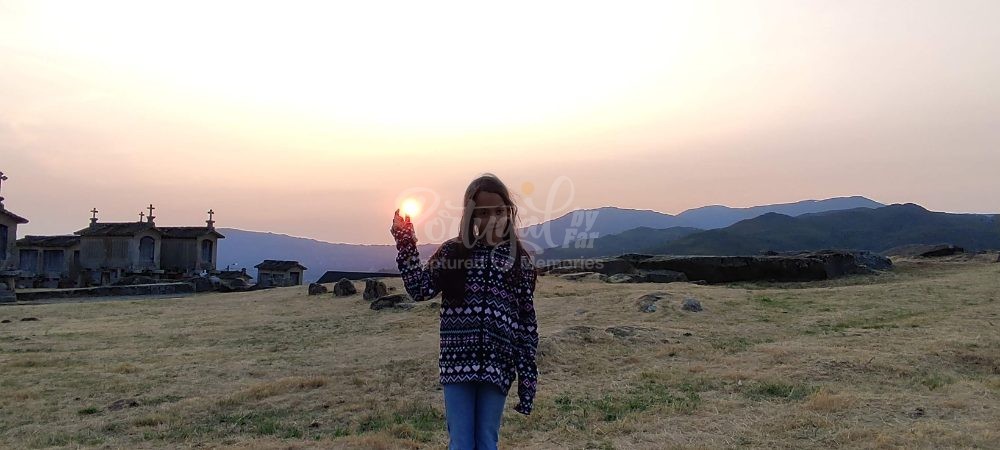
Spread across the hillside outside the old village was a collection of structures unlike anything we had seen before. Narrow and long, sitting high above the ground on wide stone legs, each one topped with a carved granite cross. We stood and stared. Then we started guessing.
Tombs, we decided. Obviously tombs. Ancient ones. The crosses, the stone, the rows of them lined up together, it had to be.
We were wrong, which was slightly disappointing and then immediately fascinating.
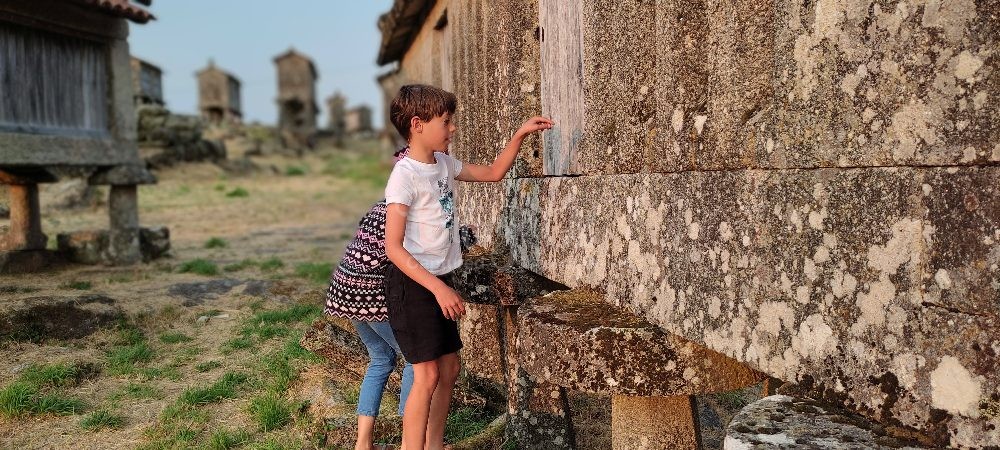
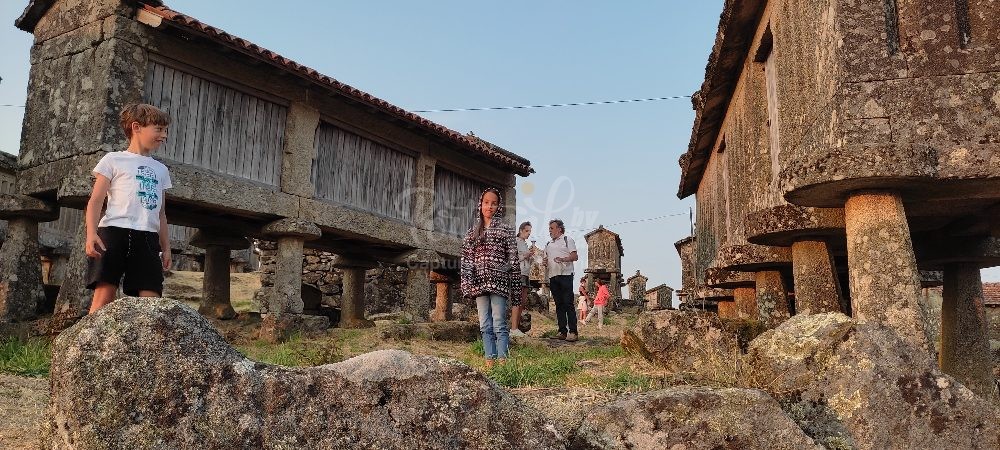
They are espigueiros, granaries. Agricultural storage structures built to hold corn and wheat stocks off the ground, allowing crops to dry in the mountain air without being swept away by wind or eaten by animals. The legs keep rats out. The crosses were carved to keep evil spirits away, and, it turns out, to confuse visitors like us into thinking they were graves.
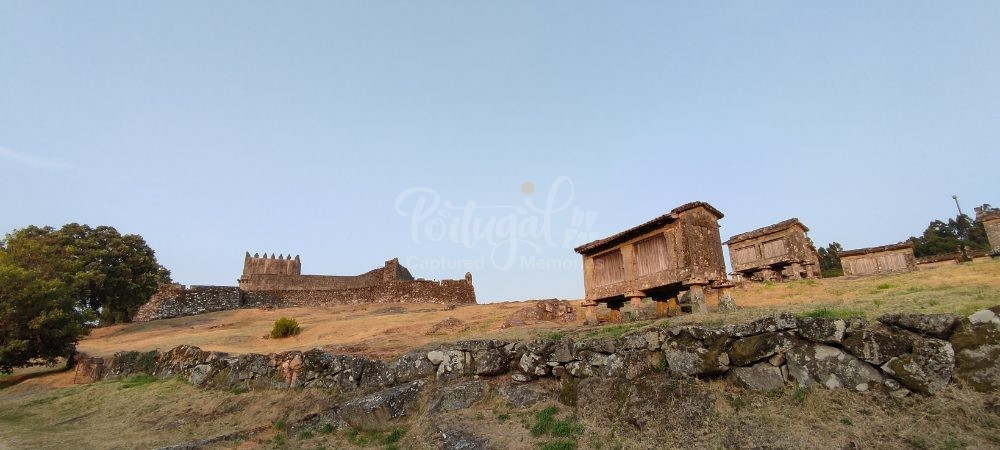
What we were standing among was the largest collection of espigueiros in the entire Iberian Peninsula. The group of 67 granite-built espigueiros adjacent to the castle dates mostly to the 18th and 19th centuries and constitutes the largest group and one of the best preserved in the entire national park region. Nowhere in Portugal or Spain will you find more of them in one place.
The detail that moved us most: even today, some of the granaries in Lindoso remain in use and store corn for local families. Three-hundred-year-old granite structures, still doing exactly what they were built to do. Not a museum. Not a reconstruction. A living tradition, quietly carrying on in the shadow of a medieval castle.
We spent a long time there, touching the cold stone, peering through the ventilation gaps, photographing the sunset light falling across the rows of crosses. It was one of those unexpected stops that turns into the best part of the day.
The Castle at Golden Hour
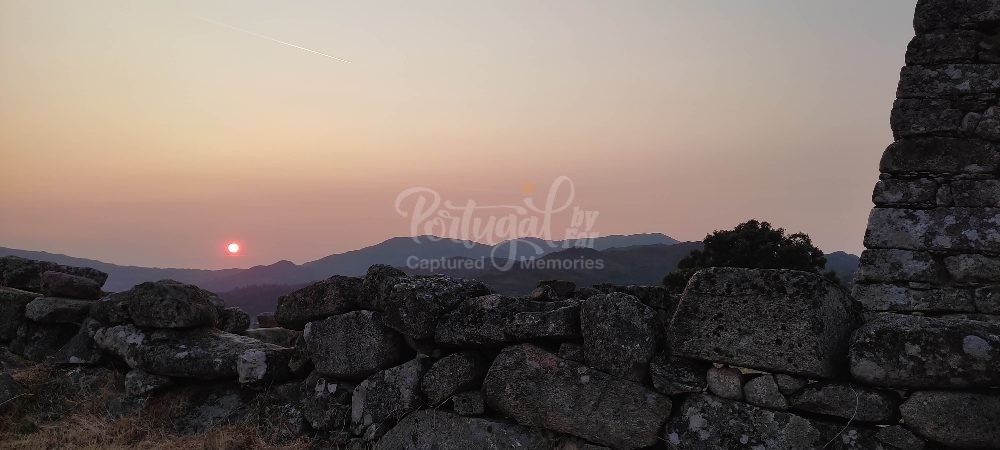
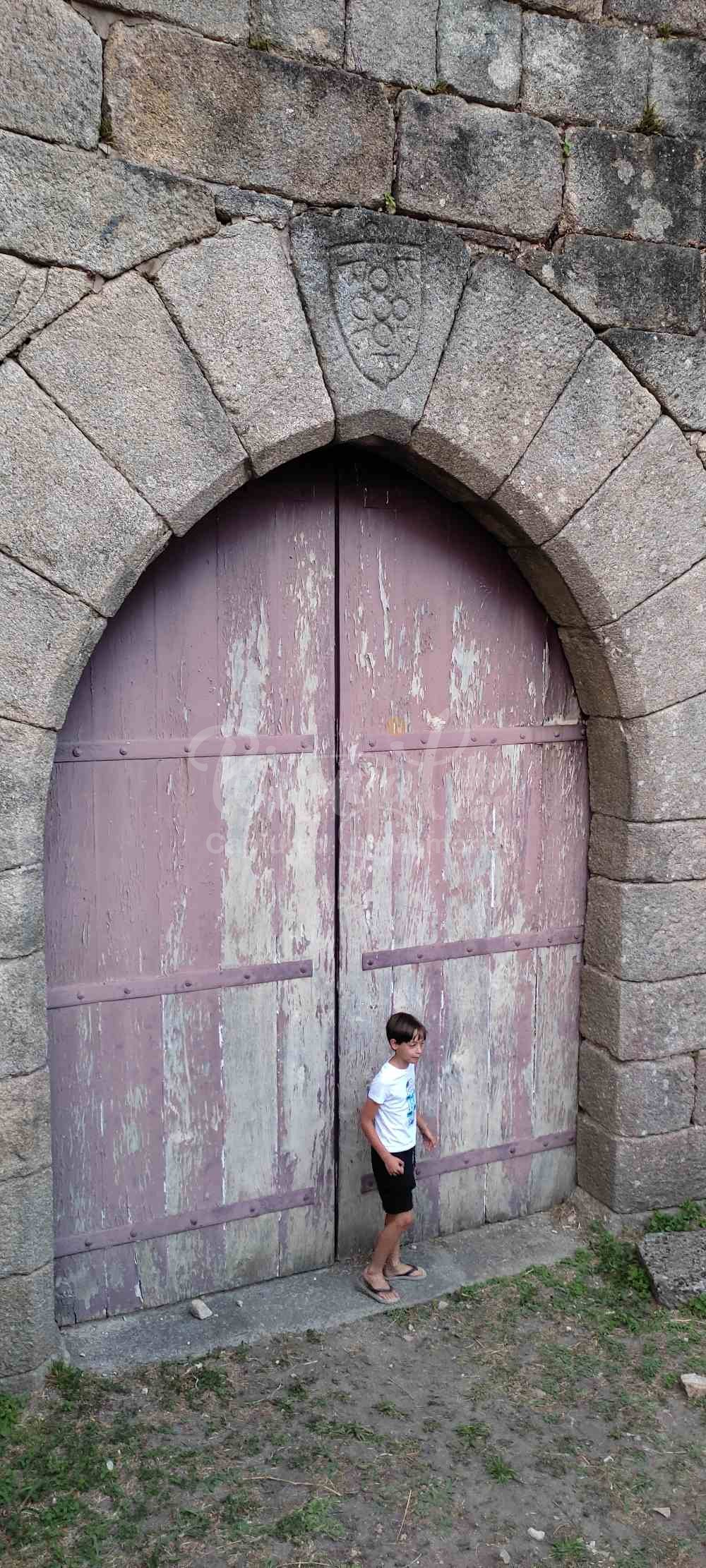
Eventually we made our way up to the castle itself. Smaller than castles we would visit later in our travels, older looking, worn and broken in places, but still standing, still watching over the same Spanish border it was built to defend in the 13th century.
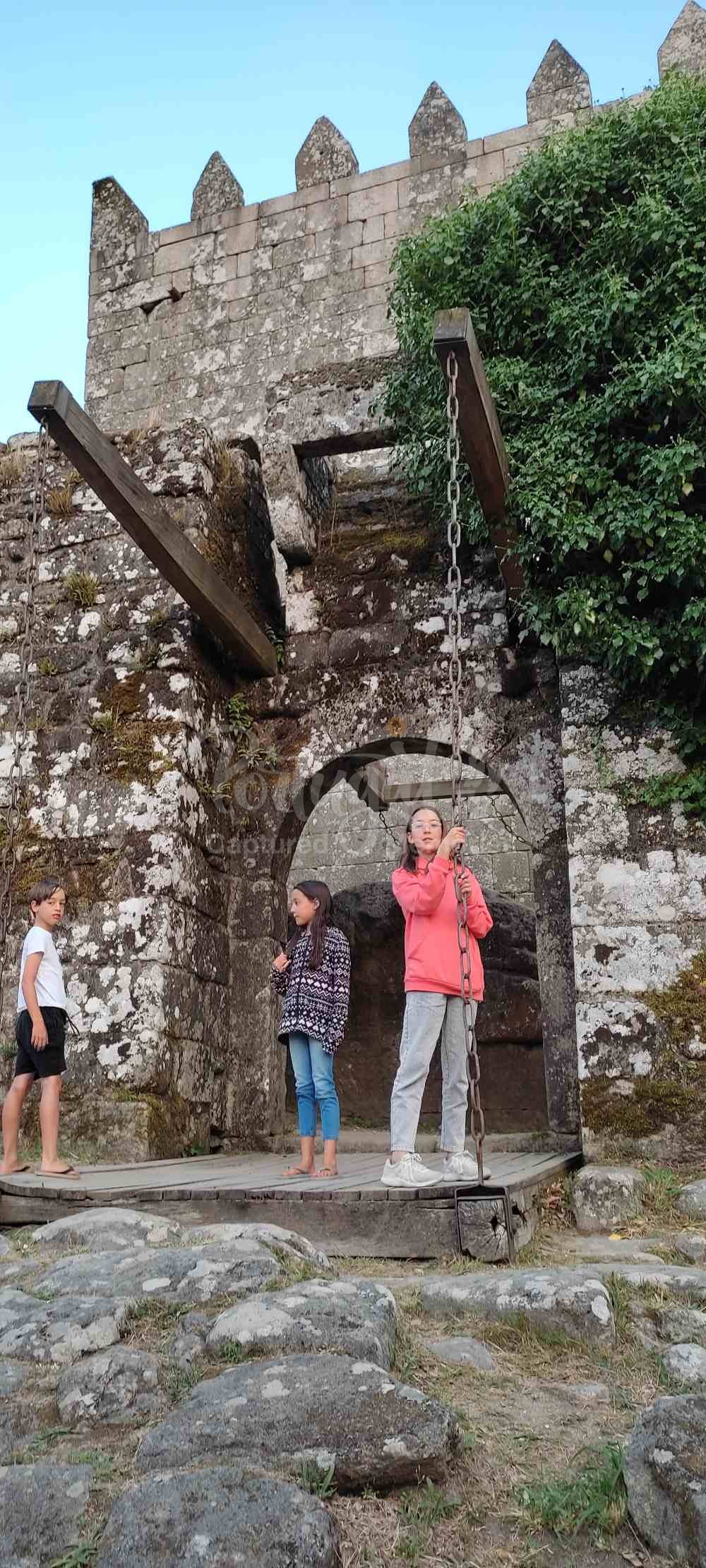
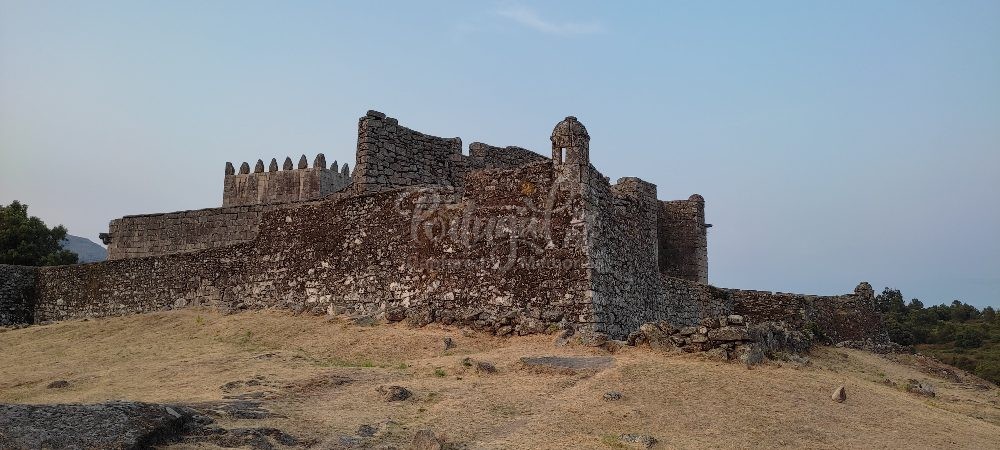
Lindoso Castle was built during the reign of King Afonso III to strengthen the defensive system of the Portuguese borders, standing on a hill overlooking the village, the Lima River valley, and Spain beyond. Eight hundred years of history in stones that you can put your hands on.
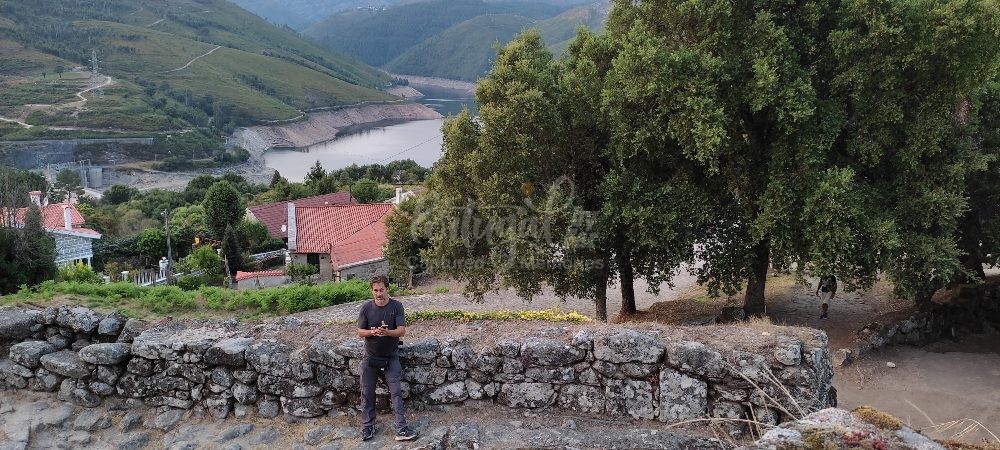
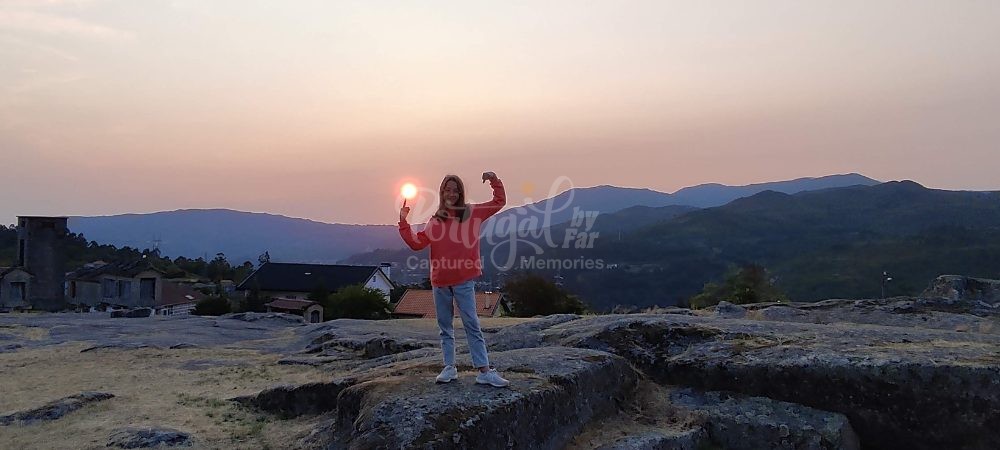
And the name, we loved this detail. Lindoso in Portuguese simply means beautiful. The story goes that King D. Dinis declared it exactly that on his first visit to the area. Walking around the castle walls at golden hour, the sun going down behind the mountains, the valley glowing below us, we understood completely.
We stayed longer than we planned. We always do at places like this.
For those who want to base themselves here and explore the castle, the espigueiros and the national park properly across a few days, there's a beautiful selection of historic and rural accommodation near Lindoso castle and some genuinely special stone village stays in the Lima Valley you can actually sleep inside.
An Unexpected Decision — and New Neighbours
As the sky darkened and the car park emptied out around us, we looked at each other and made the call: we were staying. Right here, in this spot, off-grid for the night. The views, the quiet, the last light on the mountains, it was too good to drive away from. We would wake up here and catch the sunrise from the castle hill.
On our next family caravan adventure, we would definitely invest in a portable solar power station, producing independent electricity would have upgraded the off-grid experience beyond measure. Something we now recommend to every family considering long-term caravan travel.
And then, just as we were settling in for the night, a small van pulled into the empty car park and parked right beside us.
A family from Barcelona. Two parents, two teenage daughters, traveling through northern Portugal on their summer holiday, and immediately, effortlessly, we were talking. The kind of easy, warm conversation that happens between traveling families who recognize something familiar in each other.
The daughters spoke a little English. My kids spoke no Spanish. This stopped nobody. They sat together and found their own language, laughter, gestures, the universal currency of teenagers who have decided they're going to be friends regardless of logistics. We watched them from the adult table, our camping table set up in the castle car park, and felt something warm and grateful settle over the evening.
Breakfast With New Friends
We did.
The next morning both families pulled out their folding tables and had breakfast side by side in the car park of a medieval castle in northern Portugal, overlooking Spain, which is exactly as good as it sounds.
The Spanish family had traveled to this area before and knew it well. Their strongest recommendation, delivered with the kind of enthusiasm that makes you write things down immediately, was to cross the border into Spain and visit the hot springs on the other side.
While the adults talked, I had a quiet idea. I pulled out a card game, the round card game called Double, if you know it, and put it on the table between all five kids. Any language works. Spanish, English and Hebrew words were flying through the air as the kids played, not realizing this was a free and joyful language lesson happening all at once.
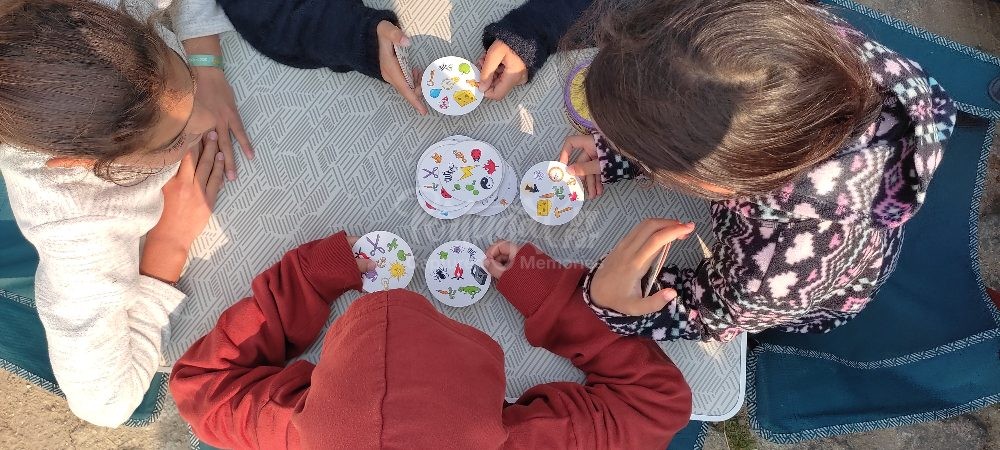
The laughter coming from that table was the best sound of the whole morning.
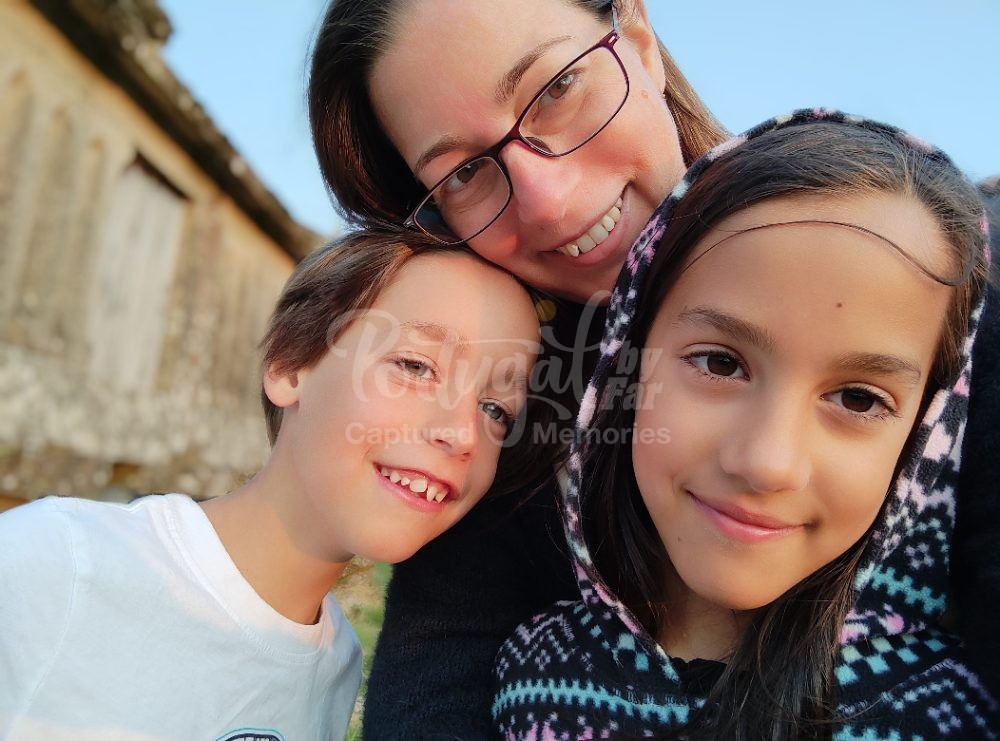
What a way to spend a birthday. Our twins, turning nine in a forest caravan, celebrated first with berries and whipped cream under the stars, and now with new Spanish friends and a card game at a medieval castle overlooking Spain. Not what we planned. So much better than anything we could have planned.
For anyone planning a family road trip through this corner of northern Portugal, the best family-friendly accommodation between Lindoso and Ponte da Barca gives you the perfect base for castle sunsets, espigueiro mornings and wild horse drives, and the kind of spontaneous encounters that make long-term travel what it is.
The hot springs were waiting for us across the border in Spain. And after a morning like that, we were very ready for them.
Plan Your Visit — Lindoso and the Lima Valley
Where to stay
For the full Lindoso experience, arriving in the late afternoon and staying for the castle sunrise, browse rural and historic accommodation near Lindoso castle. For a broader Lima Valley base with easy access to both Lindoso and Ponte da Barca, family-friendly stays between Lindoso and Ponte da Barca give you the whole valley to explore at your own pace. Compare all options before booking.
What to pack
For the espigueiro hillside walk and the castle battlements: trail shoes with good grip on wet granite, essential.
For off-grid nights under castle walls: a portable solar power station means genuine independence from the grid. A waterproof backpack keeps everything safe through mountain weather.
For breakfast with new friends in a castle car park: your folding camping table and camping chairs turn any car park into a proper outdoor dining room. And an insulated cooler backpack keeps breakfast provisions and cold drinks fresh from the shop to the castle hill.
This post contains affiliate links. If you book or buy through them we earn a small commission at no extra cost to you. This helps us grow and share as many recommendations to help you have your best trip.
Drop us a comment
Share your thoughts about Portugal — we read every message. Be kind, be curious.
Leave a comment
Comments