Chapter 17 — Sintra: The City That Made Us Believe in Magic
Driving back north to meet my parents, we were all buzzing with excitement. All we wanted was to arrive, to walk through that door, to fall into the arms of the people we had been missing since June. We were heading to Sintra, to a house they had rented for all of us, and none of us had any idea that we were about to fall in love not just with our family reunion, but with what is, without any doubt, the most magical place in Portugal.
Arriving at Casa Paderna
We pulled into Casa Paderna, our reserved vacation house right in the heart of Sintra's old town, just after lunch. My parents weren't arriving until late that night, which meant we had long hours ahead of us to wait. We used every one of them well. We organized the bedrooms, went grocery shopping, and then, perhaps the greatest luxury of all, we each took a long, hot shower.
I need to pause here for a moment and explain what "a long hot shower" meant after two weeks at Miki's Place, where hot water was rationed by the sun and a shower lasted approximately five minutes before turning into something that could only be described as a cold confession. Standing under genuinely hot, genuinely unlimited water in a genuinely private bathroom was one of the most purely joyful experiences of the entire year. Don't let anyone tell you the small things don't matter.
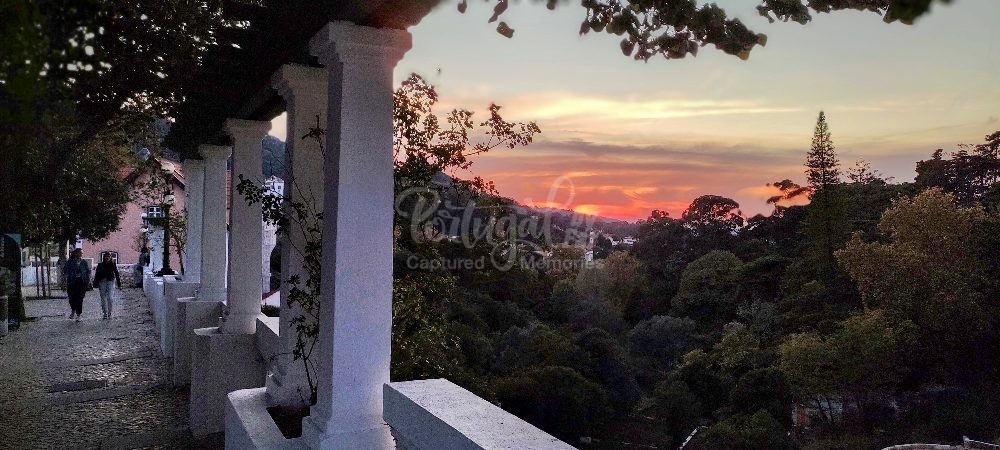
We had supper, tried to relax, gave up pretending to relax, and went out for a little walk instead. The streets of Sintra's old town in the early evening, with the last of the day's light catching the stone and the damp green of the hills above, were breathtaking in that quiet, private way that places are when the crowds have gone home. We took photographs of the sunset. We breathed in the crisp mountain air. We were impatient and happy and the minutes moved very slowly.
My parents arrived late at night. We hugged for long minutes and said very little. We went to bed happy and together and that was everything.
Morning in Sintra — the Town That Doesn't Need to Try
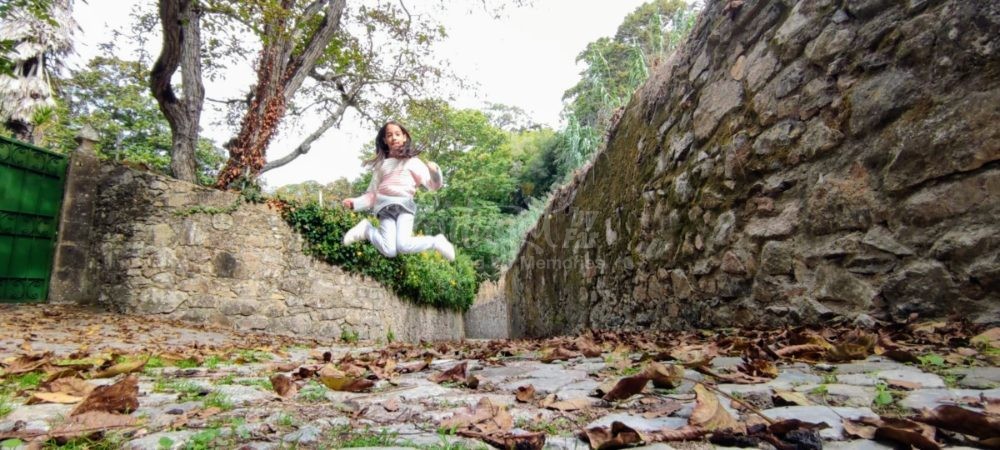
The next morning we all sat around the table for breakfast, talking over each other, drinking coffee, making up for four months of being apart in one meal. When we finally went outside, Sintra did exactly what Sintra does: it made us stop. Constantly. Every few steps.
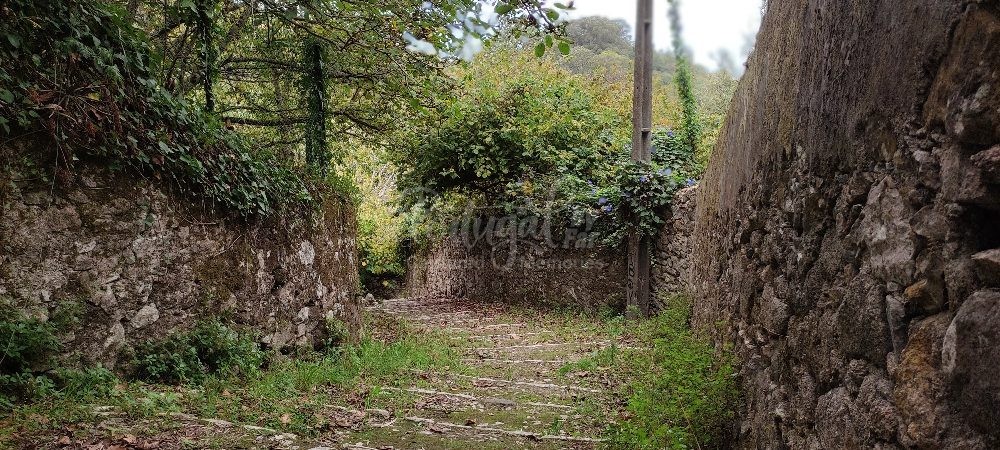
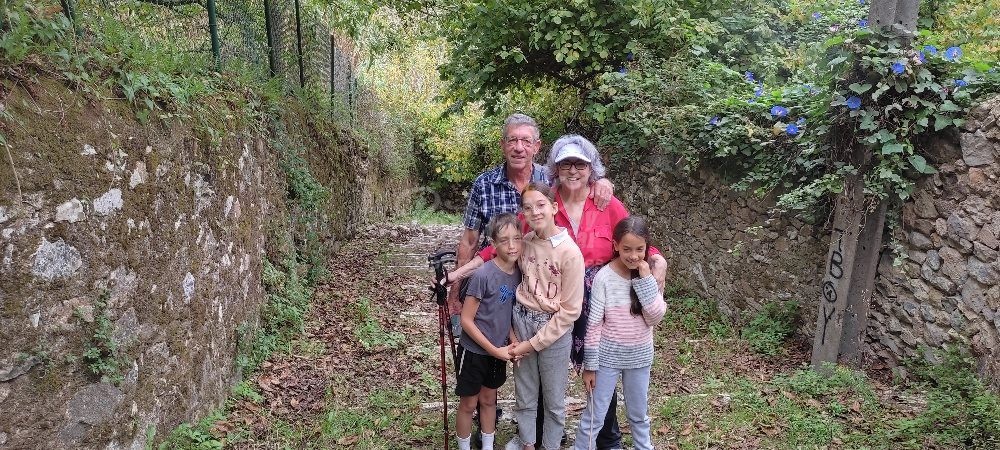
Ancient narrow paths wound between buildings so draped in greenery that you could hardly see the stone underneath. Moss on every surface, colorful ivy leaves catching the morning light, the palaces peeking above the treeline from every angle. Everywhere we pointed a camera, the frame composed itself. We spent that first full day close to our house, doing nothing particularly organized, simply existing together in a place that felt nothing like anywhere else we had been.
If you want to base yourself in Sintra properly and take your time the way we did, there is a wonderful selection of accommodation in Sintra's historic center, from charming guesthouses on the cobbled streets to some genuinely beautiful manor house stays in the Serra de Sintra hills where waking up above the palace rooflines is a daily event. Compare all options before you book.
Three Things Worth Knowing About Sintra Before You Arrive
Sintra is not just beautiful. It is genuinely, specifically extraordinary in ways that take some explaining.
Sintra was the first European site ever classified as a "Cultural Landscape" by UNESCO. Not a palace. Not a monument. The entire cultural landscape, palaces, gardens, forests, villages and all, was recognized as a single extraordinary entity in 1995. The history of Sintra stretches back thousands of years, with evidence of ancient settlements by the Celts, Romans and Moors. In the Middle Ages it became a favorite retreat for Portuguese nobility and royals, who were drawn to its cooler climate and picturesque setting.
In the 19th century Sintra became the first center of European Romantic architecture. The palaces here were not built to be functional seats of power. They were built as theatrical expressions of beauty, imagination and fantasy, each one a deliberate artistic statement. Some design historians believe Sintra's Romantic palaces were among the inspirations for the visual language of classic Disney fairy tale castles. Standing in front of Pena Palace for the first time, that theory feels entirely plausible.
The National Palace of Sintra, crowned by its two gigantic conical chimneys, has been an iconic feature of the Sintra landscape for many centuries. Its interior boasts a stunning blend of Gothic, Manueline and Moorish designs, including the Swan Room and the breathtaking Blazons Hall, with its collection of 72 heraldic shields. It is the best-preserved medieval royal palace in Portugal and was inhabited more or less continuously from the early 15th to the late 19th century.
The Private Tour — Hugo, the Palace Chase and the Best Way to Do Sintra
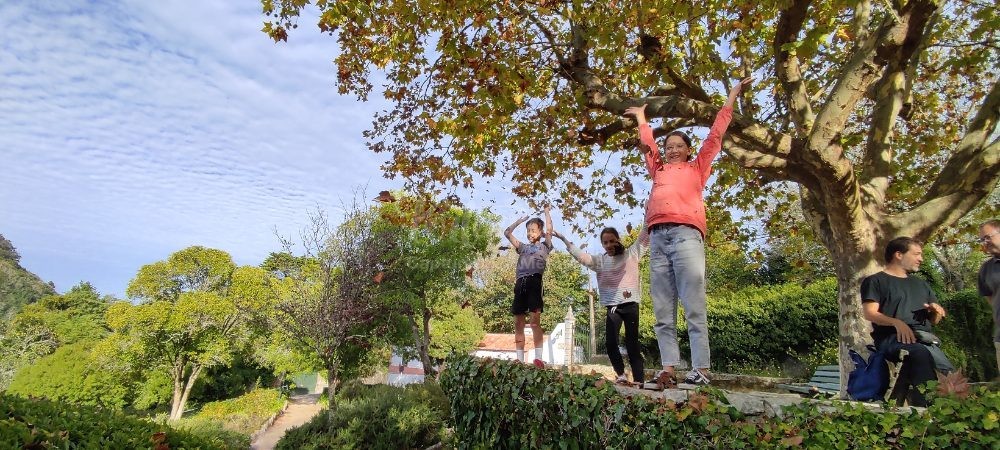
The following day we took a private tour of Sintra and it was, without any question, the right decision. Our guide Hugo, a local Portuguese with excellent English and the kind of deep knowledge that comes from actually loving what he talks about, picked us up at the house and drove us in his comfortable air-conditioned van through a day that we still talk about.
If you want to experience Sintra this way, with a local guide who designs the day around your family, a private Sintra tour is genuinely the single best way to do it, especially with children or elderly family members. Hugo answered every question all seven of us threw at him with patience and enthusiasm, which is saying something about the questions coming from our family.
Jardim da Vígra — The Viewpoint That Puts It All in Context
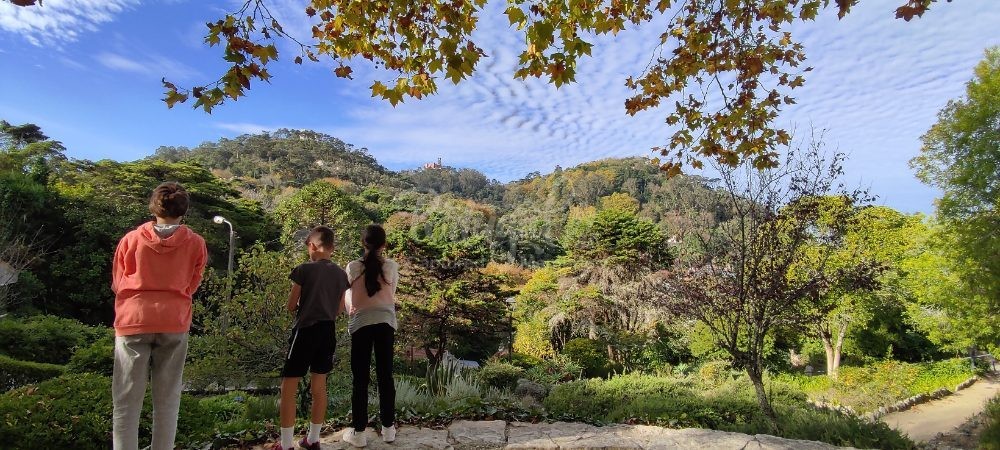
Our first stop was Jardim da Vígra, a small, beautifully kept park with a viewpoint that shows you Sintra's full picture in a single glance. The Moorish Castle perched on one hilltop. Pena Palace glowing in its extraordinary colors on another. The lush wooded serra rolling between them. Manor houses and estate rooflines appearing between the trees. All of it together at once, which is the only way the scale of what Sintra actually is begins to make sense.
The Path to the Moorish Castle — Walking Where They Walked
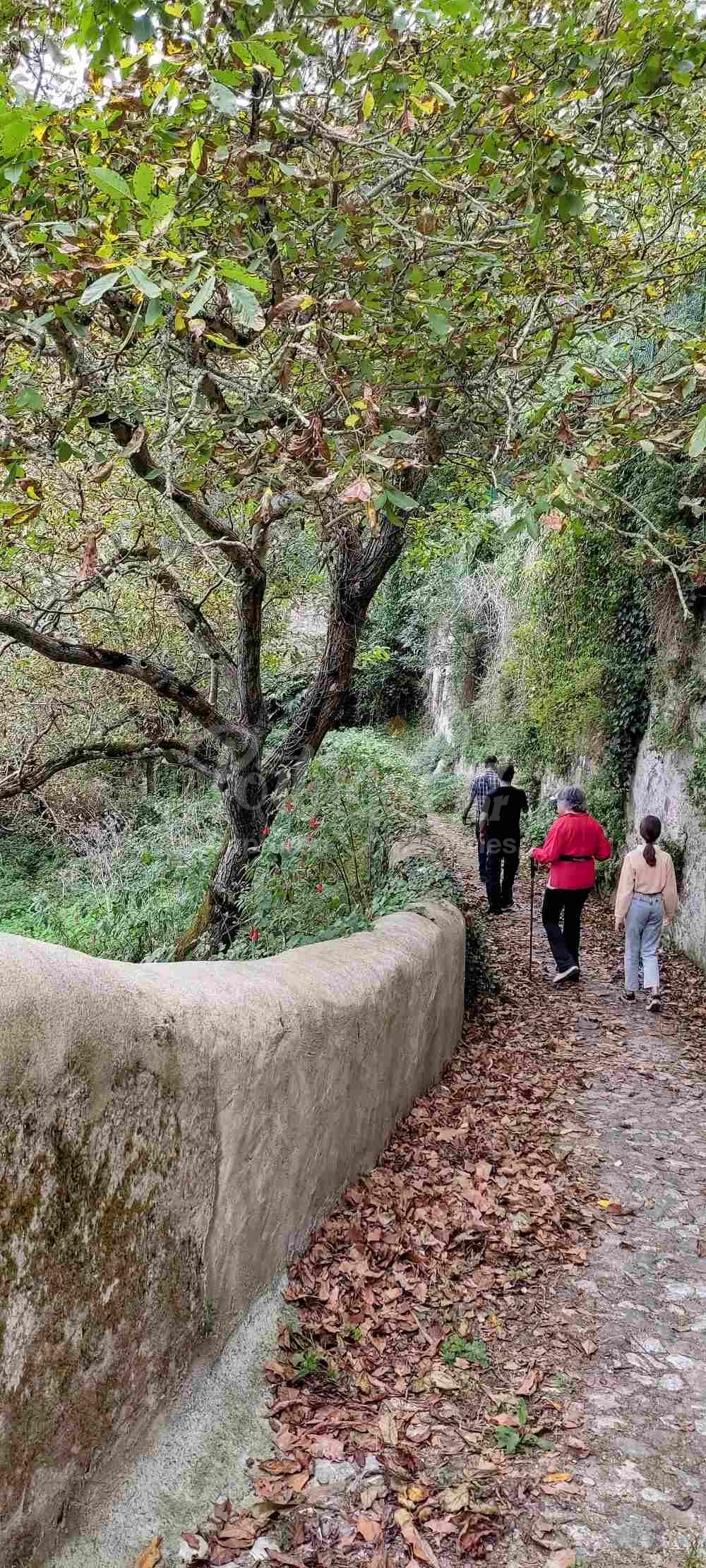
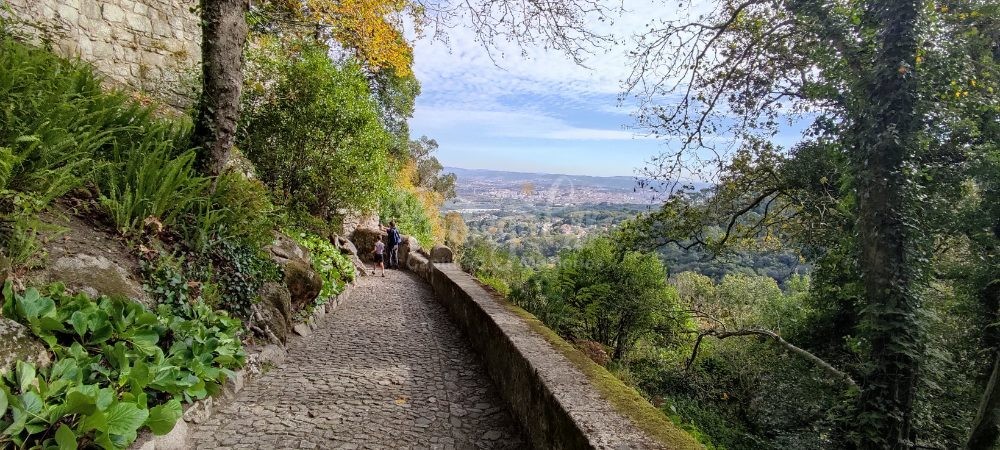
On the way to Pena Palace, Hugo stopped for us to walk down a short section of the ancient stone path, green-covered and mossy, where the Moorish Castle ticket office is located. We walked the path slowly, reading the information points, absorbing the views of Sintra below, letting the history of what we were standing on settle in around us.
Three Facts About the Moorish Castle That Change How You See It
The Moorish Castle was one of two castles built at what is now Sintra during the Moorish Al-Andalus era that began with the Umayyad conquest of Hispania in the 8th century. It is therefore over 1,200 years old.
The walls of the Moorish Castle stretch for over 450 metres along the hilltop ridge. Walking them, you are looking out over the same view Moorish sentinels looked out over more than a thousand years ago. The Atlantic is visible on clear days. So is Lisbon.
Around 1840, King Ferdinand II turned a ruined monastery into a palace in which Gothic, Egyptian, Moorish and Renaissance elements were combined, surrounded by a vast Romantic park planted with rare and exotic trees from around the world. That palace is Pena Palace, and Ferdinand II is the single figure most responsible for the Sintra we see today.
Quinta da Alegria — a Glimpse and a Reminder to Book Ahead
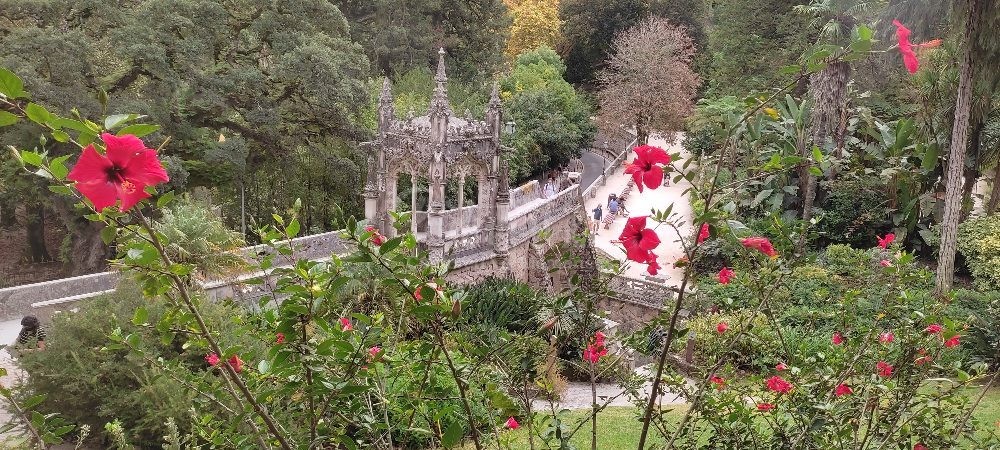
We did not go into the Quinta da Alegria gardens, a beautifully kept private park built at the end of the 18th century, but we admired it from outside for long enough to understand that it deserved more time than we had. If you want to walk through it, reserve your entrance tickets in advance. It is private and it fills up.
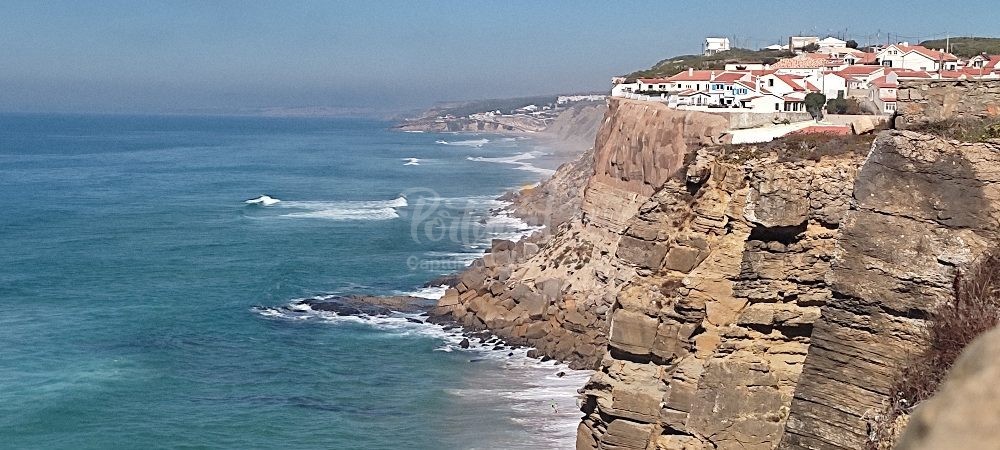
Cabo da Roca — Where Portugal Runs Out of Land
Hugo drove us west, down to Cabo da Roca, the westernmost point of mainland Portugal and of continental Europe, and one of those places that does something to you physically when you stand there. Cabo da Roca stands 140 metres above the cliffs, with coordinates 38° 47' northern latitude and 9° 30' western longitude, an important reference for maritime navigation for centuries.
There is a reason the Portuguese poet Luís de Camões described this spot as "where the land ends and the sea begins." Standing on those cliffs, the Atlantic stretching to every visible horizon, the wind strong enough to make you lean into it, you feel the full weight of what Portugal once was, a small country at the edge of the known world that sailed off the end of the map and found everything on the other side.
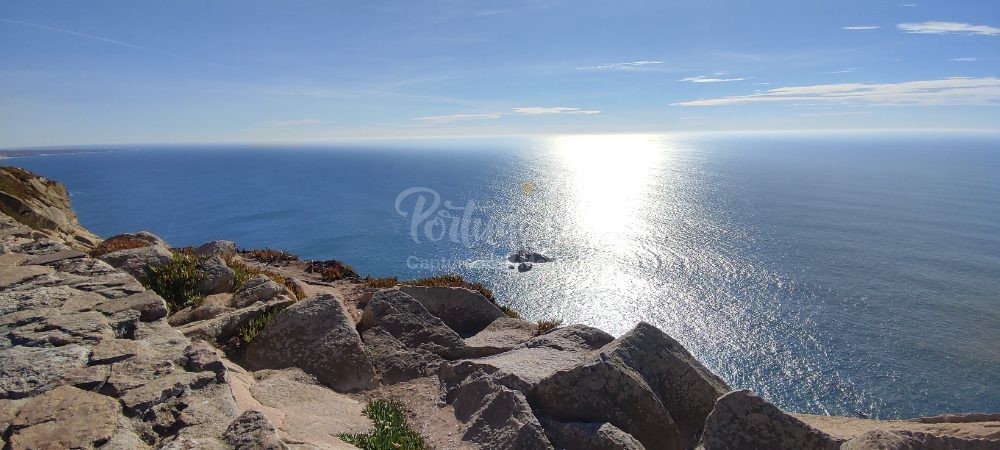
We soaked in the early autumn sun. We took photographs that still do not capture it properly. We stayed longer than planned. We always do.
One practical note before you go: bring a windproof jacket even on the warmest days. The wind at Cabo da Roca is a force entirely its own and the temperature drops the moment you step out of the car, regardless of what the weather was doing everywhere else. We learned this the slightly shivery way.
Quinta da Regaleira — the Place That Changed the Day
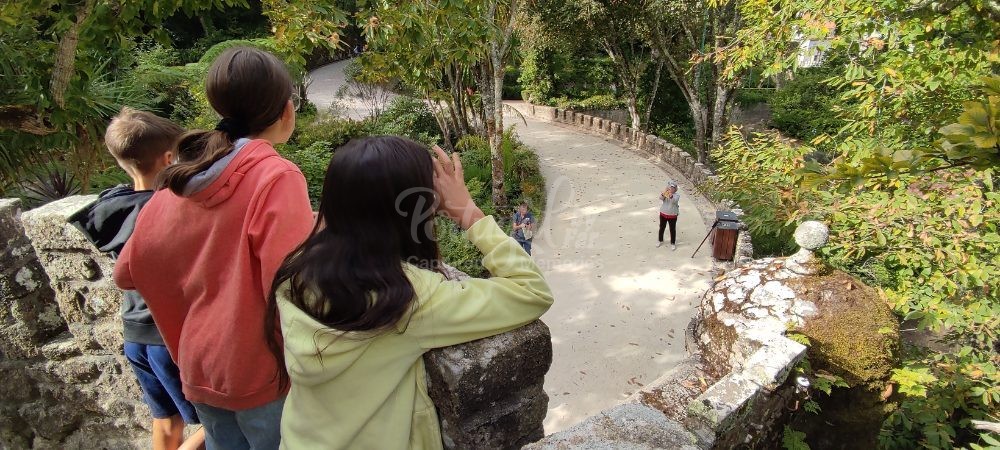
Hugo saved Quinta da Regaleira for last, giving us two full hours to roam the estate freely, and I am glad he did. It deserves every minute you can give it.
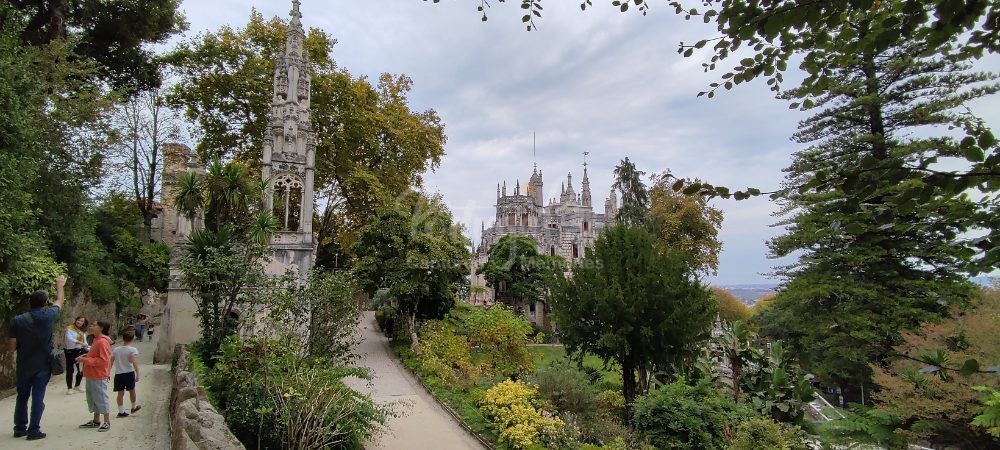
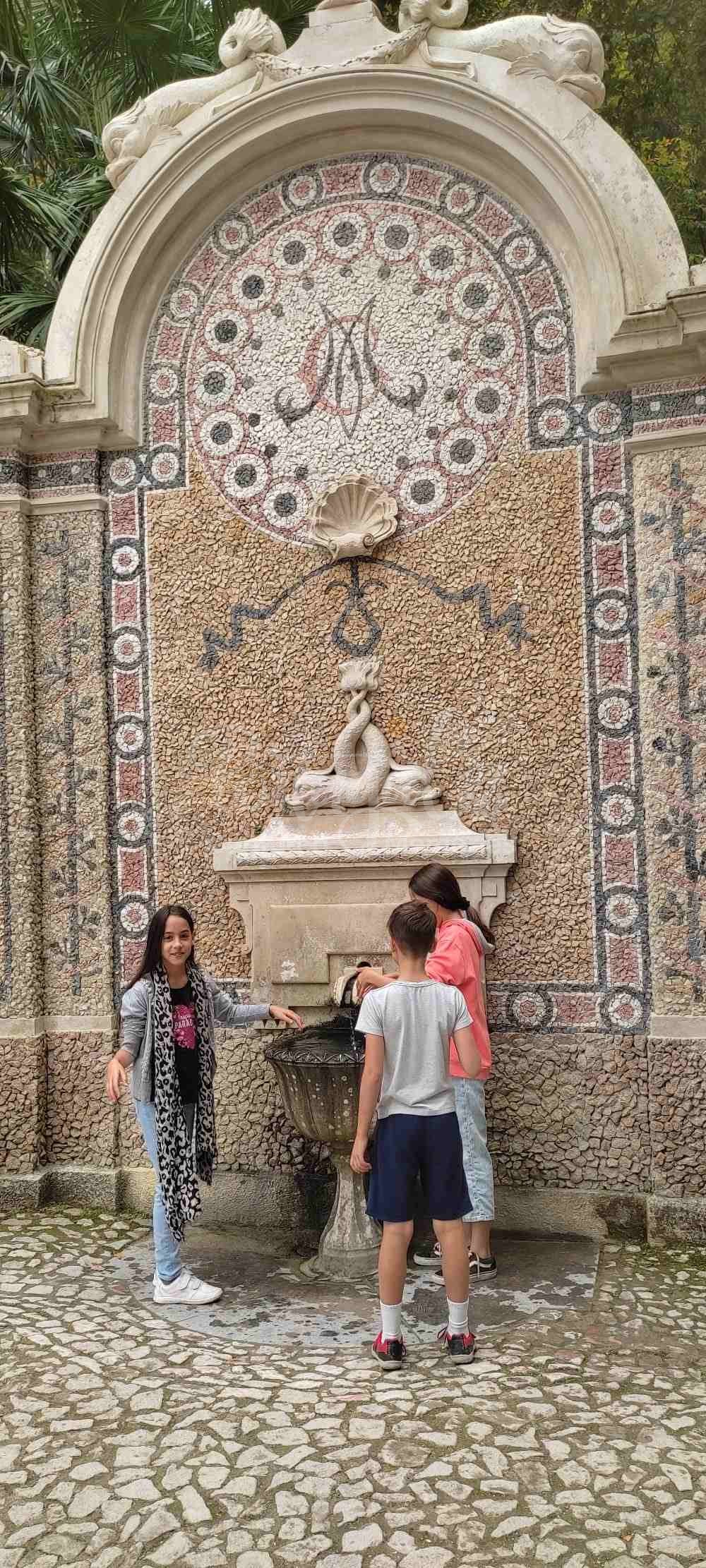
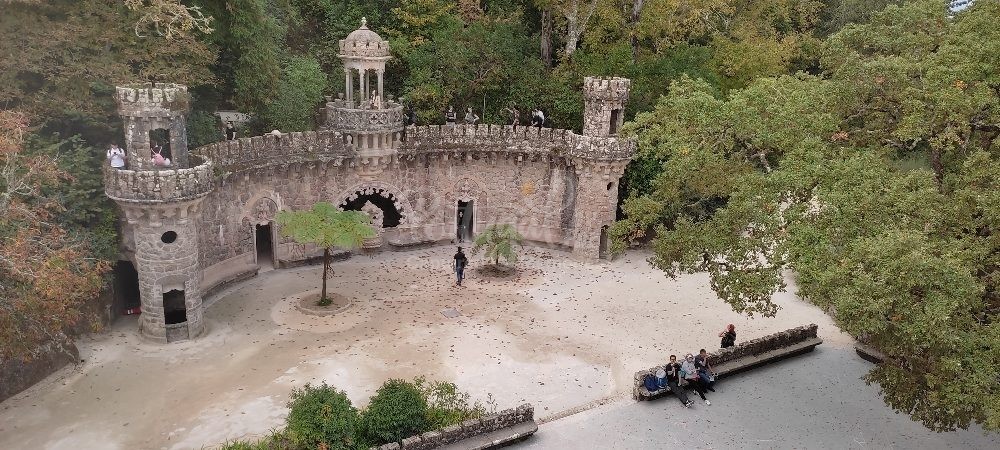
Quinta da Regaleira is a magnificent palace and garden complex built between 1904 and 1910, brought to life by the creative vision of Luigi Manini, an Italian opera-set designer, and the wealth of António Carvalho Monteiro, nicknamed "Monteiro of the Millions." The romantic 9-acre property boasts enchanting gardens, lakes, grottoes and enigmatic symbols linked to the Knights Templar.
The palace itself, with its Neo-Manueline towers and carved gargoyles and elaborate interiors, is extraordinary. But it is the gardens that stay with you.
Three Facts About Quinta da Regaleira That Will Not Leave You
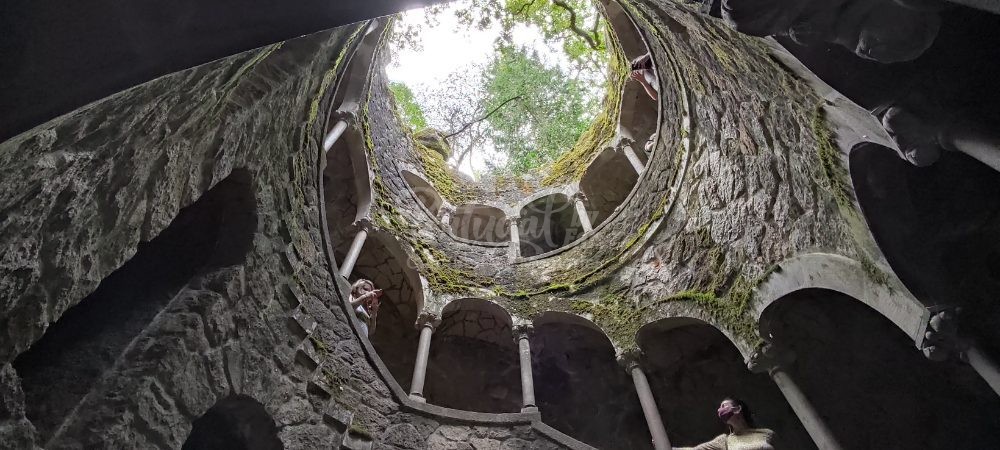
The Initiation Well, the estate's most famous feature, is 27 metres deep. It is not really a well at all. Candidates for initiation would descend nine flights of stairs, a number representing the nine founders of the Templar order, blindfolded and holding a sword close to their heart. At the bottom they walked into a dark labyrinth. The nine levels of the staircase may reference the circles of Hell in Dante's Divine Comedy. At the base, a Templar cross is set into the stone floor. From there, tunnels lead to grottoes, the chapel and gardens, allowing one to emerge into daylight in a symbolic rebirth.
At the very bottom of the well, the tiles depict the cross of the Knights Templar. Two main tunnels lead outward: one to an exit underneath the Portal of the Guardians, the other splitting into three separate tunnels, one of which leads to a second, unfinished well whose purpose remains unknown.
The gardens of Quinta da Regaleira were conceived as a symbolic journey. At the entrance the paths are ordered and geometric, symbolizing the material world. As you move deeper into the estate the landscape becomes wild, evoking chaos, mystery and the unknown. Hidden throughout the gardens are grottoes, fountains, towers and underground passages. It is, as someone once described it, a book carved in stone.
Walking out of Quinta da Regaleira that afternoon, none of us said very much. We got back into Hugo's van. We drove back to Casa Paderna. We sat around the table that evening with my parents, a bottle of wine open, and tried to describe what we had seen.
We mostly failed. Some places resist description. Sintra is one of them.
Chapter 18 — heading north with my parents, and more of Portugal waiting to be discovered: Peniche on the Atlantic coast, Coimbra with its ancient university, and more surprises the road had not yet revealed.
Practical Guide — Sintra 2026
All prices and hours confirmed at time of writing. Always book tickets online in advance, especially in summer.
Pena Palace and Park
Park only: €10 adults, €8.50 youth and seniors. Park and Palace combined: €20 adults, €18 youth (6-17) and seniors (65+), free for children under 6. Family ticket (2 adults plus 2 children): €60. Opening hours: park opens at 9am, palace at 9.30am. Last entry 5.30pm. Book timed-entry tickets well in advance in July and August, slots sell out 3 to 5 days ahead.
Quinta da Regaleira
Adults: €20. Youth (6-17) and seniors (65+): €15. Children under 5: free. Gardens open 9am to 7.30pm (summer). Palace, chapel and exhibition spaces 10am to 7pm. Last admission 5.30pm. Entry slots every 30 minutes. Book online in advance, timed entry is mandatory. Allow 2.5 to 4 hours minimum.
Moorish Castle
Adult: €10. Combined tickets with other Sintra sites available and recommended.
Sintra National Palace (Town Palace)
Located in the center of Sintra village, recognizable by the two enormous conical chimneys. Check current prices at parquesdesintra.pt.
Cabo da Roca
Free to visit. No entrance fee. Open year round. There is a visitor center where you can buy a certificate confirming you visited the westernmost point of continental Europe, a tradition worth continuing.
Quinta da Alegria
Private gardens, entry by advance reservation only. Check the official Sintra tourism website for current availability.
Practical tips
Sintra village gets extremely crowded between 10am and 3pm in summer. Arrive early, go first to the palaces on the hills and descend to the village in the afternoon when the day tours have moved on. Buy all palace tickets online before arriving, never on the day. A private guided tour of Sintra is the best investment you can make for a family day here: you build the exact day your family needs without the stress of logistics, transport and timing. For all accommodation options in Sintra, staying overnight means you have the village and the palace paths almost entirely to yourself in the early morning and late evening.
This post contains affiliate links. If you book or buy through them we earn a small commission at no extra cost to you. This helps us grow and share as many recommendations to help you have your best trip.
Drop us a comment
Share your thoughts about Portugal — we read every message. Be kind, be curious.
Leave a comment
Comments