Chapter 6 — The Wizard of Uz
An Electric Incident and a Step Back to the 15th Century
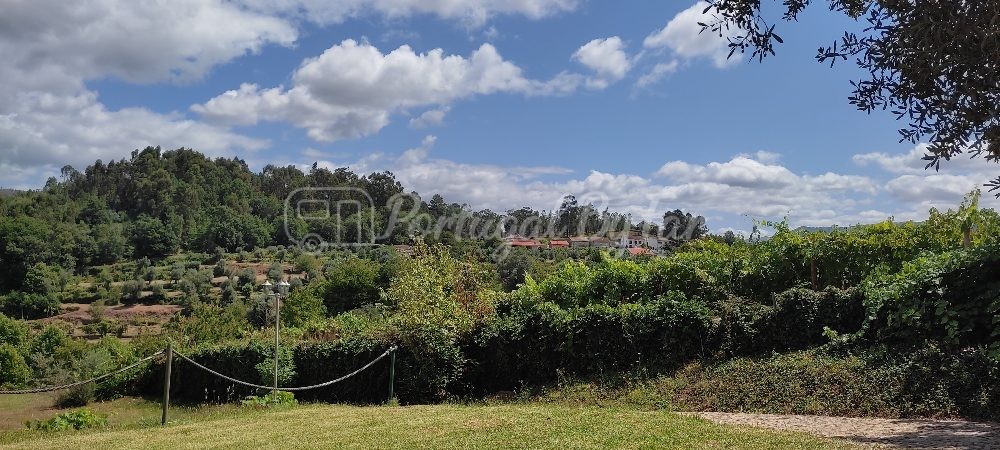
The road north from Benny and Terese's took us through some of the most quietly beautiful driving in Portugal. Two hours, passing through Viseu and Lamego, crossing the Douro River, the landscape shifting and rolling around us until we found ourselves pulling into the small old town of Arco de Baúlhe — and specifically, into the narrowest campsite entrance we had ever attempted with a towed caravan.
Hagi made it through without a single scratch. On anything. I will never stop being impressed by this.
Geert's Campsite — A Front Row Seat to the Valley
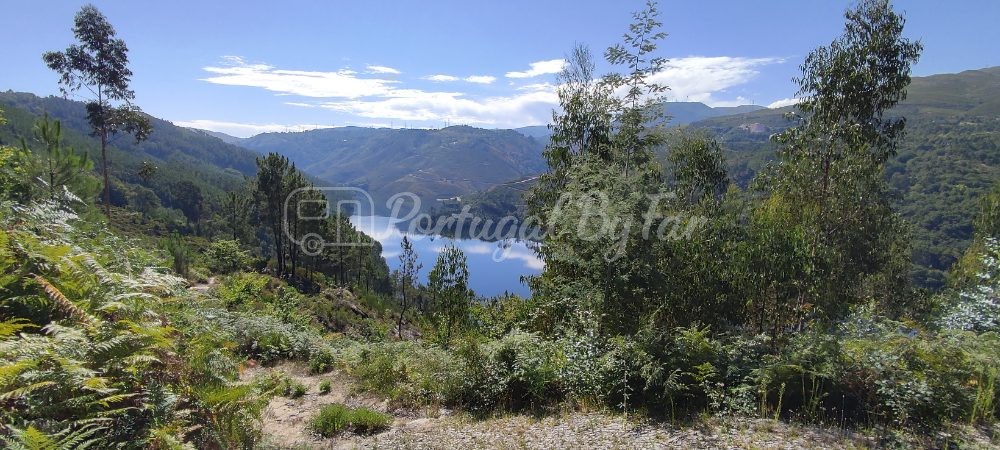
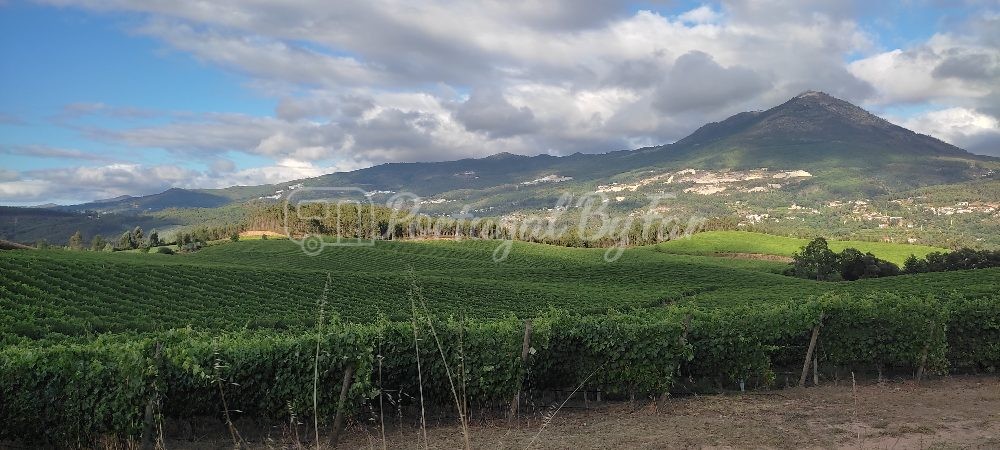
The campsite was almost empty when we arrived, which meant we had our pick of spots. We chose the front row, right on the edge, overlooking a sweeping green valley that made every other campsite view we'd had so far feel like a warm-up act.
Geert, we would soon discover, was one of those cheerful remarkable people you meet occasionally on the road, you could hear his pirate laugh anywhere in the campsite. Geert is a Belgian who had found his corner of northern Portugal and decided to stay. His campsite was large but had sections so each spot felt almost personal.. The kind of place that doesn't try too hard because it doesn't need to.
For those exploring this quiet corner of northern Portugal, there's a lovely selection of rural accommodation near Arco de Baúlhe and the Tâmega Valley with those same sweeping green valley views, and some genuinely peaceful quinta stays in the Braga District that put you right in the heart of this unhurried corner of the country.
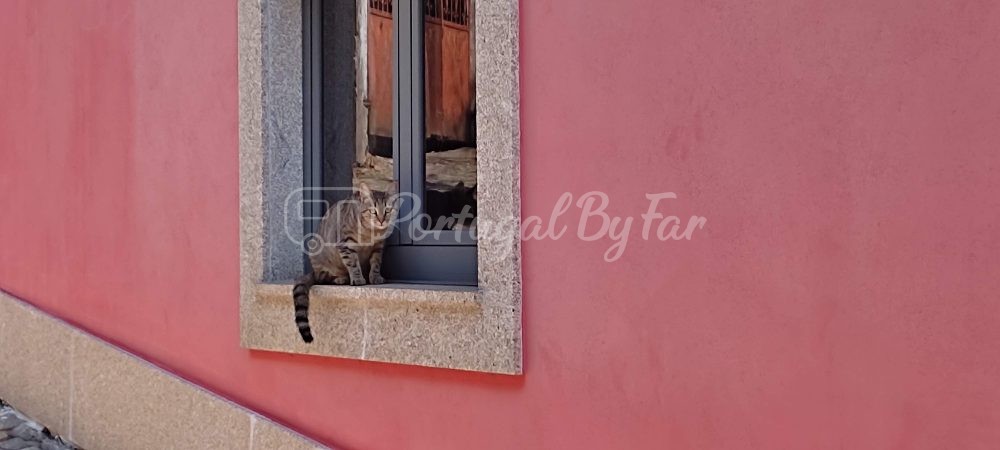
That first afternoon we walked out into the village — a proper old Portuguese town where the cats outnumber the tourists by a significant margin. They were everywhere, stretched across sun-warmed pavements, draped over doorsteps, completely unbothered by us stopping every few metres to say hello. Even the cats in Portugal are relaxed. We took our time, wandered the old streets, and walked back to the caravan in the early evening to cook dinner and settle in for the night.

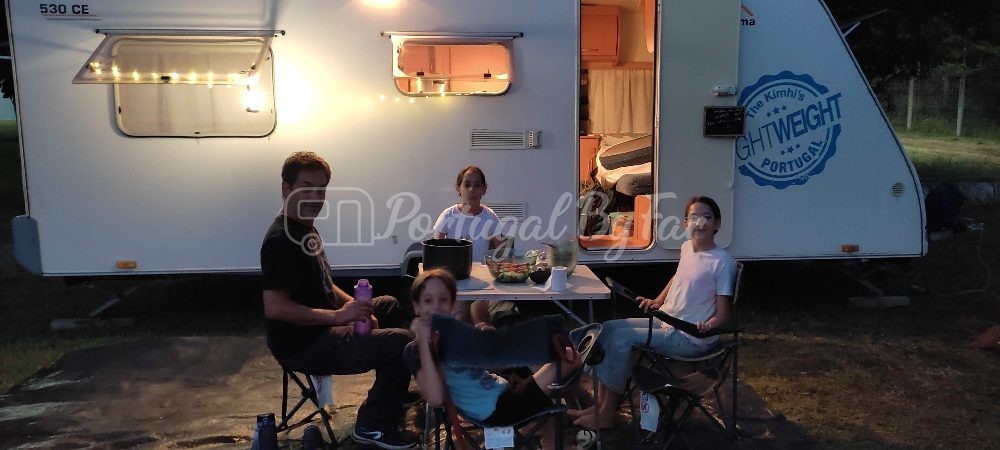
The Great Electric Mystery
That evening, with dinner half-cooked and the sun going down, the electricity across the entire campsite suddenly cut out.
It came back after a few minutes. Strange, we thought. We finished dinner, watched a film the way we always did on those evenings — all five of us piled onto the double bed, Hagi's laptop propped up as our family cinema — and went to sleep without thinking much more about it.
The next morning it happened again. Off. On. Off. On.
Geert arrived with a friend, politely asked to check our electric connection, ran a simple test — and the electricity cut out immediately.
It was us. Our caravan was the cause of the entire campsite's repeated outages.
What followed was a thorough investigation involving Geert, Hagi, Geert's friend, and every accessible corner of our caravan — underneath it, on top of it, and eventually inside it — until they found the culprit: the electric heater. Someone, at some unknown point, had accidentally flipped its switch on. It had been running improperly, overloading the system, and cutting the power every time it kicked in. We hadn't even noticed it was on.
Mortified and apologetic, we suggested Geert simply remove the heater entirely. We didn't need it, I thought. It was August. We were in the north of Portugal but it was still summer.
I would spend several months of the following winter deeply regretting that decision.
But for now — problem solved. No more mysterious outages. Geert was gracious about the whole thing, which made us like him even more.
Ponte de Lima — Ice Cream and a Roman Bridge
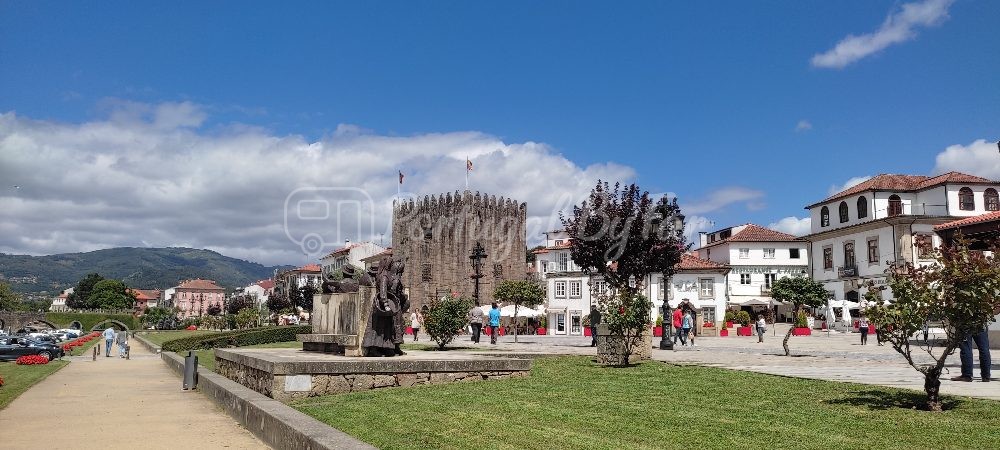
The following day we drove west to Ponte de Lima to deal with some paperwork — one of those practical errands that punctuated our adventure regularly, because real life doesn't entirely pause just because you're living in a caravan.
With the business done, we had time to walk. And Ponte de Lima rewards walking.
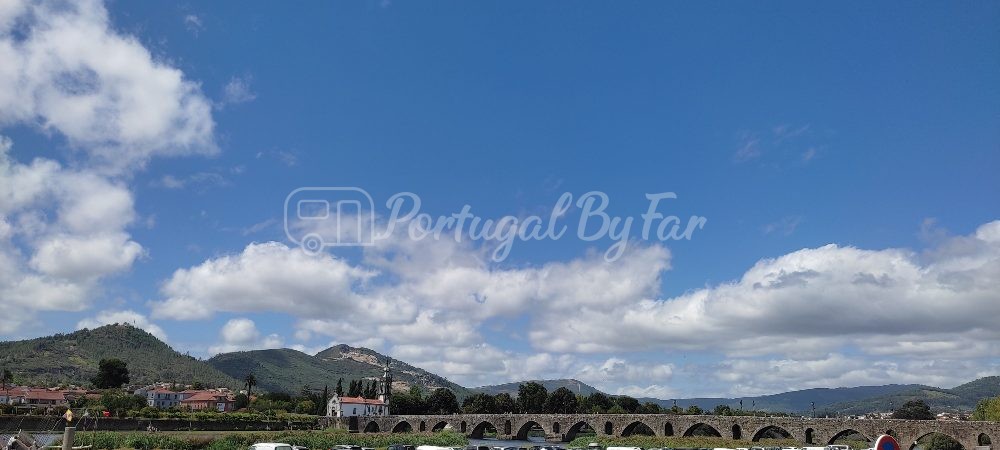
It's one of the oldest towns in Portugal, sitting right on the Lima River close to the Spanish border, with a magnificent medieval bridge stretching across the water that has been there since the Romans. The riverside boardwalk is lined with cafés, souvenir shops and ice cream stands — and given that it was a hot August afternoon, we didn't even pretend to resist. Ice cream was had. No regrets.
It's the kind of town that makes you slow down without asking you to. We walked, we looked, we sat by the river for a while and watched the water. A good afternoon.
Ponte de Lima is one of those towns that surprises you completely — you come for admin and leave wondering why you didn't plan to stay longer. It absolutely deserves more than an afternoon. If you want to base yourself here and explore the Lima River valley properly, there's an excellent selection of accommodation in Ponte de Lima ranging from riverside guesthouses to some truly beautiful manor houses and quintas that this region is particularly famous for. We only had the afternoon and left wishing we had more time. Compare all options before booking.
A Pool Day, a Dutch Couple, and Shakshuka Under the Stars
Back at Geert's campsite the next day, we declared it a rest day. The kids had the pool entirely to themselves and made the most of it with great enthusiasm. Hagi and I set up our laptops in the shade and caught up on work — one of those quietly productive days that kept everything ticking over.
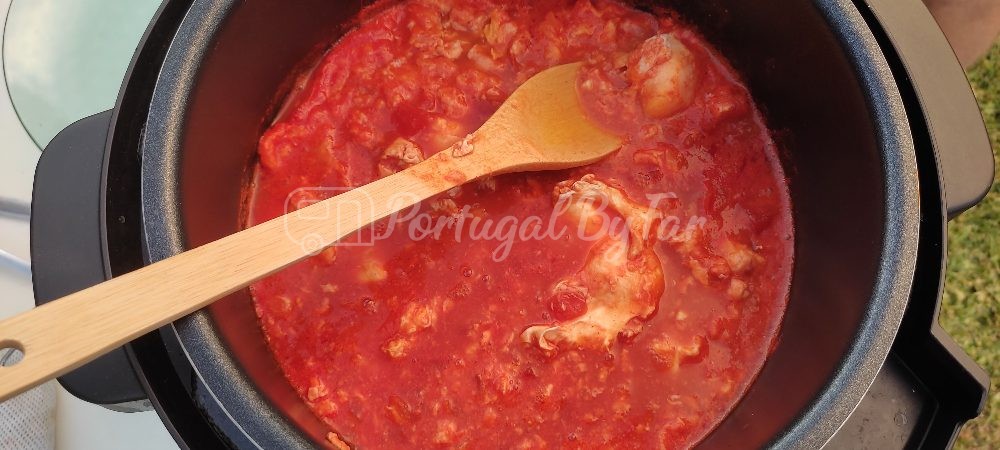
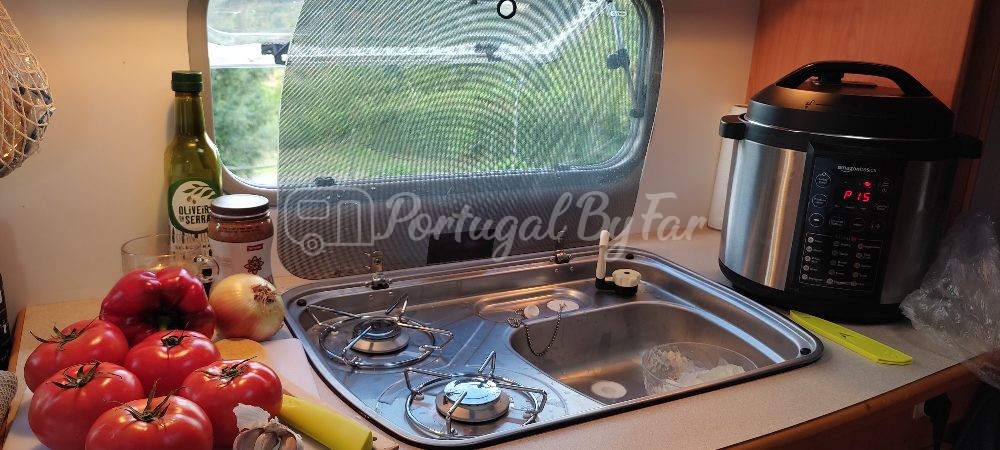
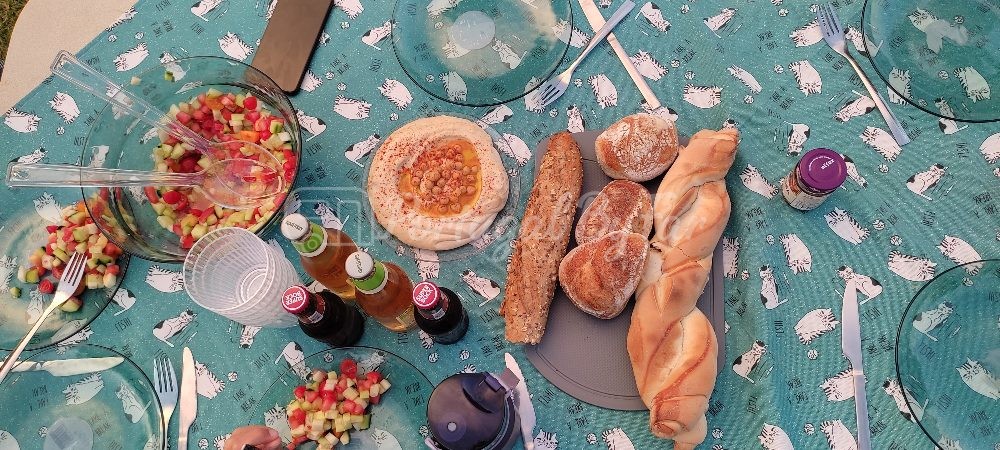
By evening, the young Dutch couple camping next to us had become friendly in that easy, natural way that happens between caravan travelers — you're neighbors, you share a space, conversations start over nothing. I cooked for all of us: Shakshuka, homemade hummus and a fresh salad. We ate outside as it got dark, easy conversation across the camping table, strangers who felt briefly like old friends.
Those evenings were some of my favorites of the whole year.
Uz — The Town That Time Forgot
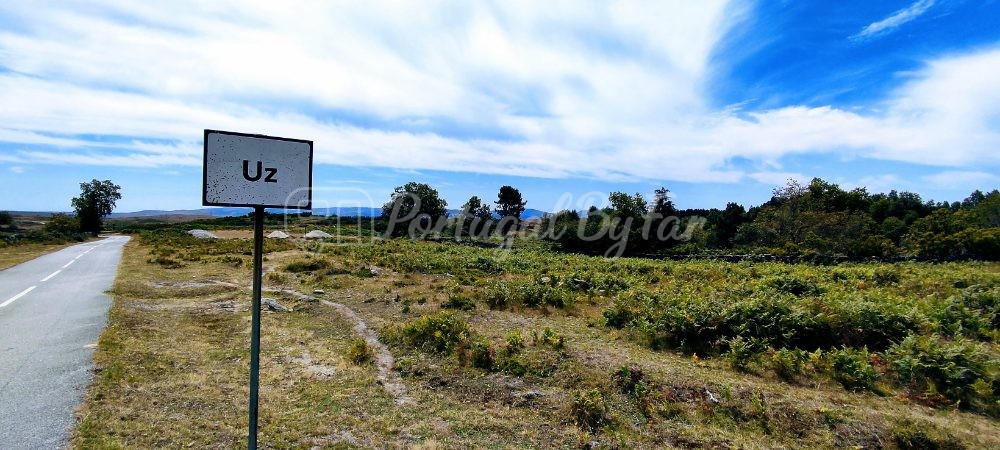
Before leaving Geert's campsite, we saved one last day for a drive to a place that had been quietly mentioned to us, almost in passing: the old village of Uz, right on the border with Spain.
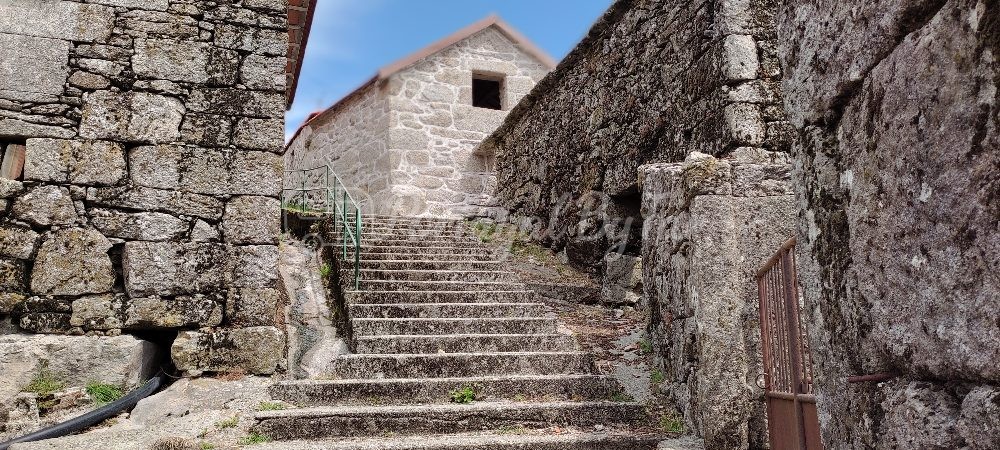
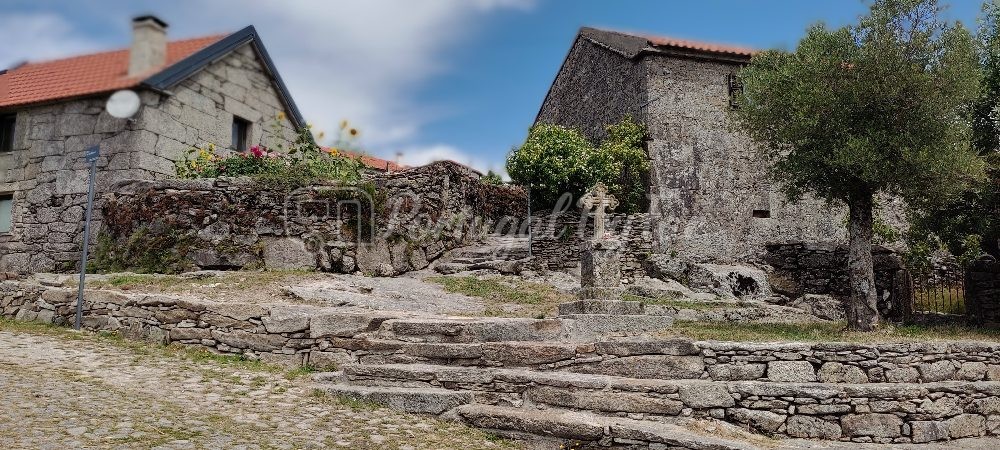
Nothing quite prepared us for it.
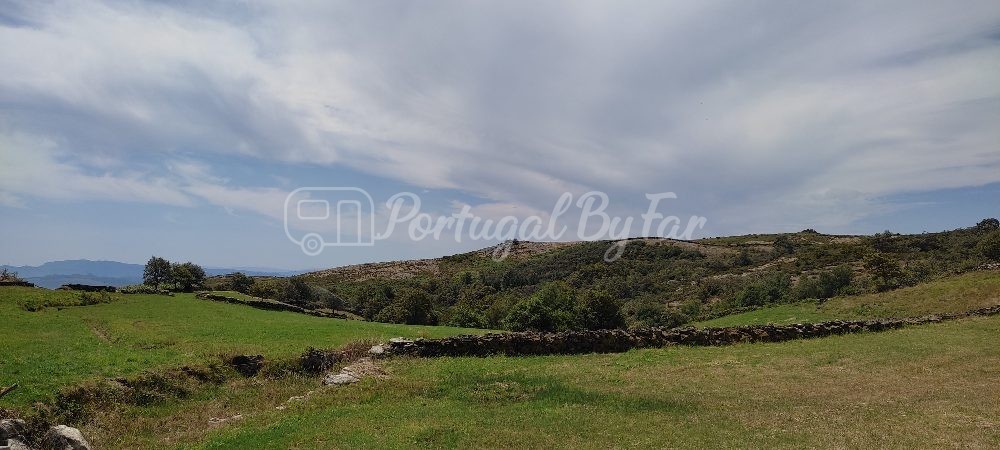
They call them forgotten towns here in Portugal — villages that the modern world passed by and simply never came back for. Walking into Uz felt like stepping through a door in time. Granite houses, old and solid and completely unchanged. Paralelus paths — those distinctive cobbled roads made of small hand-carved granite stones — winding through the village in the bumpy, uneven way that no machine could replicate. Farm tools leaning against walls. Farm animals moving through the lanes. Farmer men going about their day.
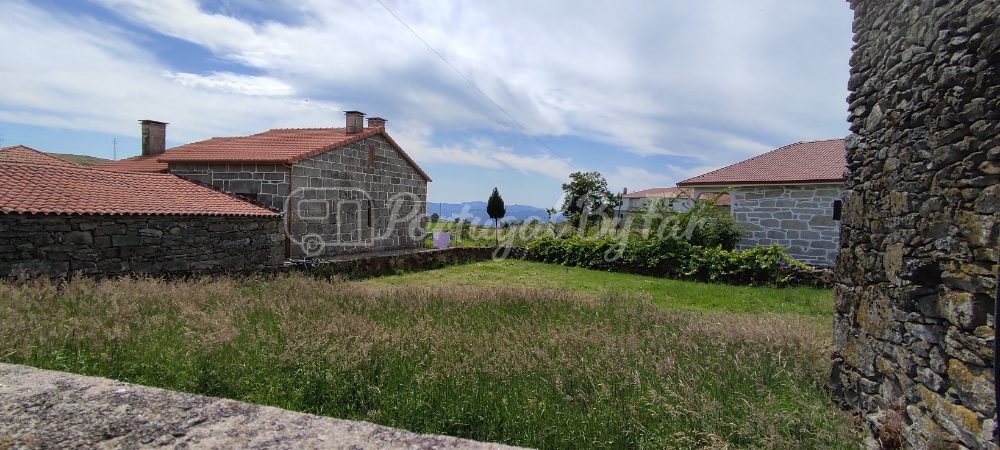
There were no tourist shops. No menus outside restaurants, because there were no restaurants. No one expecting us or catering to us in any way.
The few people still living there looked up when we passed with the quiet wariness of people unaccustomed to strangers stopping by. We weren't unwelcome exactly — but we were visitors to someone else's ordinary life, and we felt that. A particular kind of humility settles over you in a place like Uz. You become very aware that you are the interruption, not the destination.
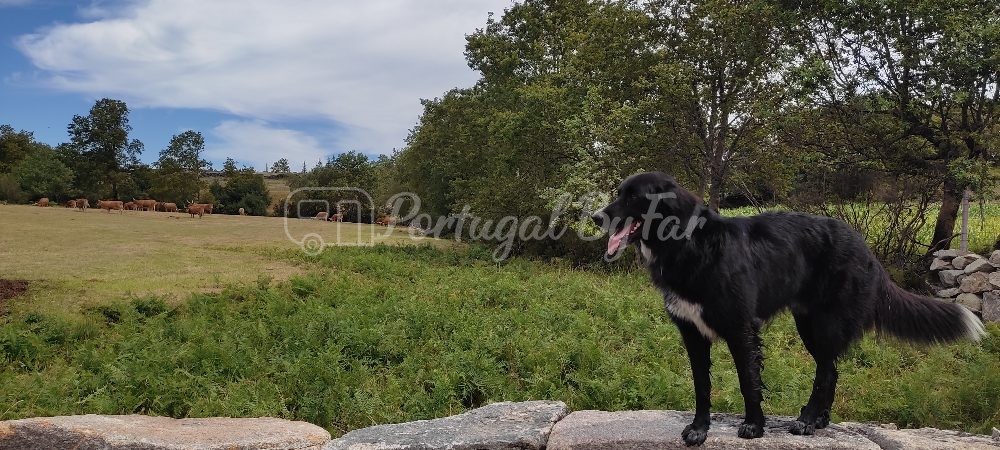
We walked slowly, looked carefully, spoke quietly — and then turned around and left, letting the village return to its own rhythm without us in it.
If the forgotten villages around this corner of northern Portugal sound like somewhere you want to explore properly, there's a wonderful range of rural guesthouses and wine estates in the Lima Valley and some truly special agritourism stays where you can wake up inside the same kind of slow, unhurried countryside that made us fall completely in love with northern Portugal.
The Drive Back
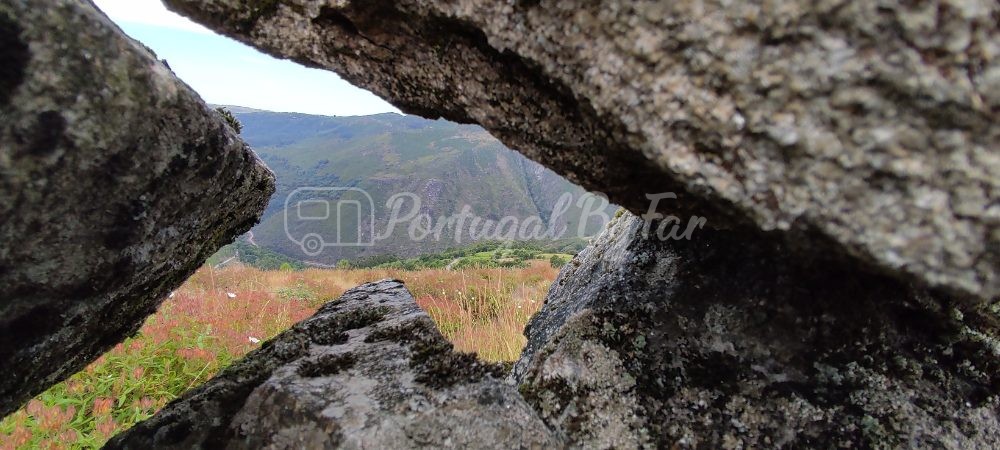
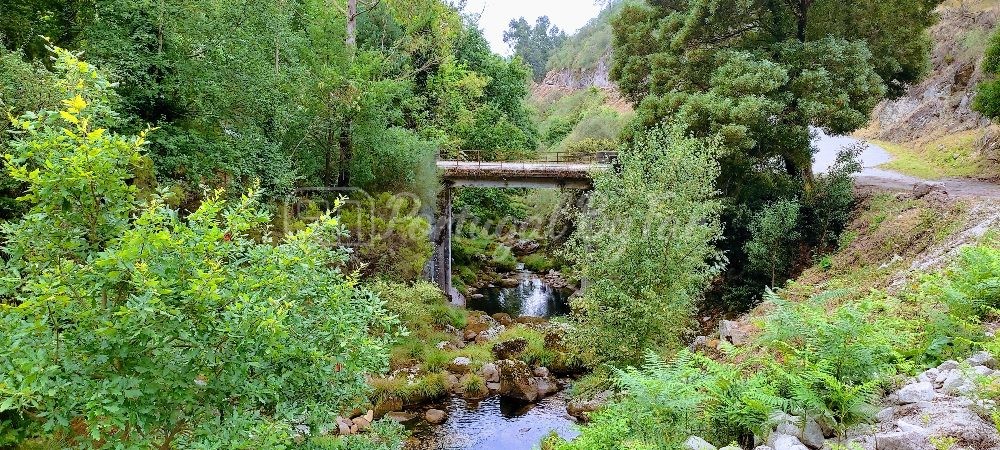
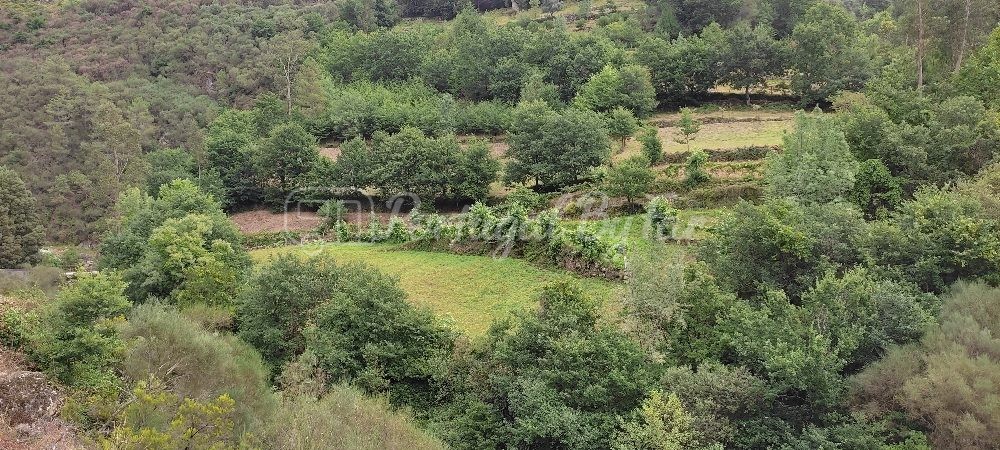
The road back to Geert's campsite was one of those drives where you stop talking and just look. Green hills rolling into each other, light changing across the valleys, the kind of scenery that makes you reach for your camera not because you think you can capture it properly but because you want to try.
I spent that drive with my camera in my lap, taking photos out the window, experimenting with angles and light and timing — releasing something creative that had been quietly building up inside me for weeks. Some of the photos were terrible. Some of them were exactly what I saw.
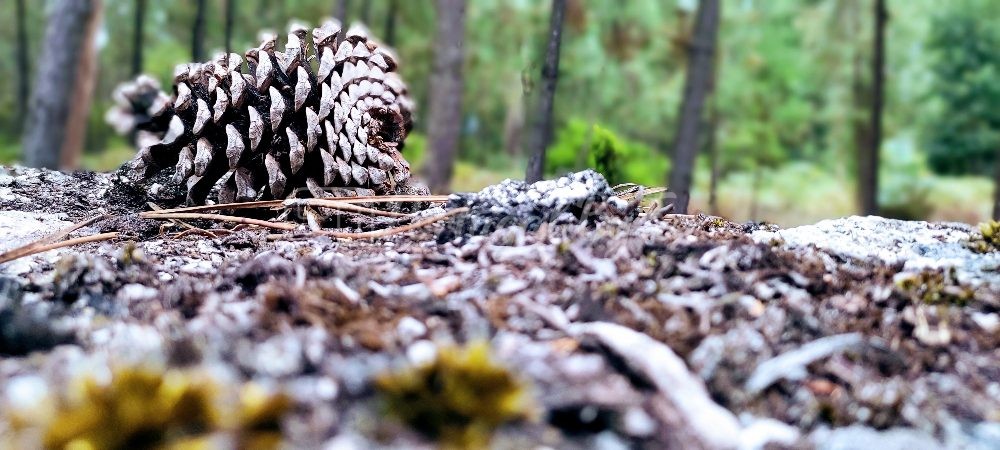
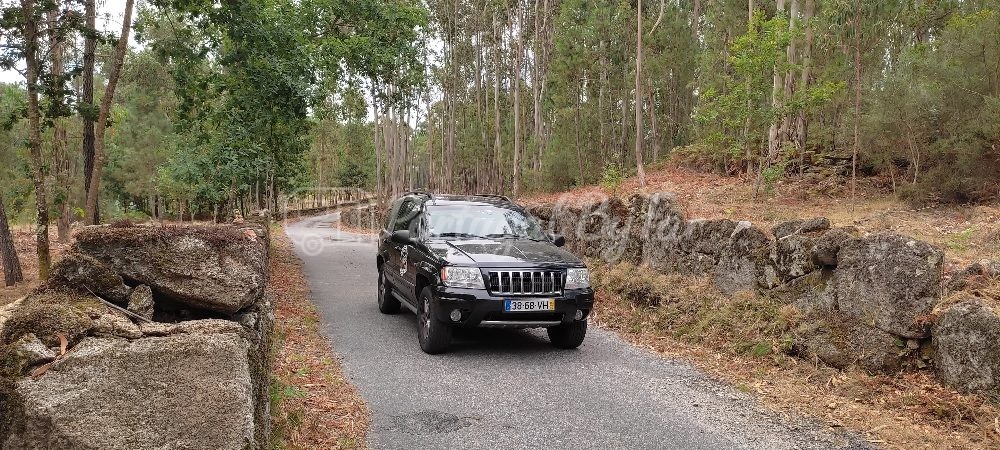
It was one of those small private joys that the road kept offering us when we weren't looking for them.
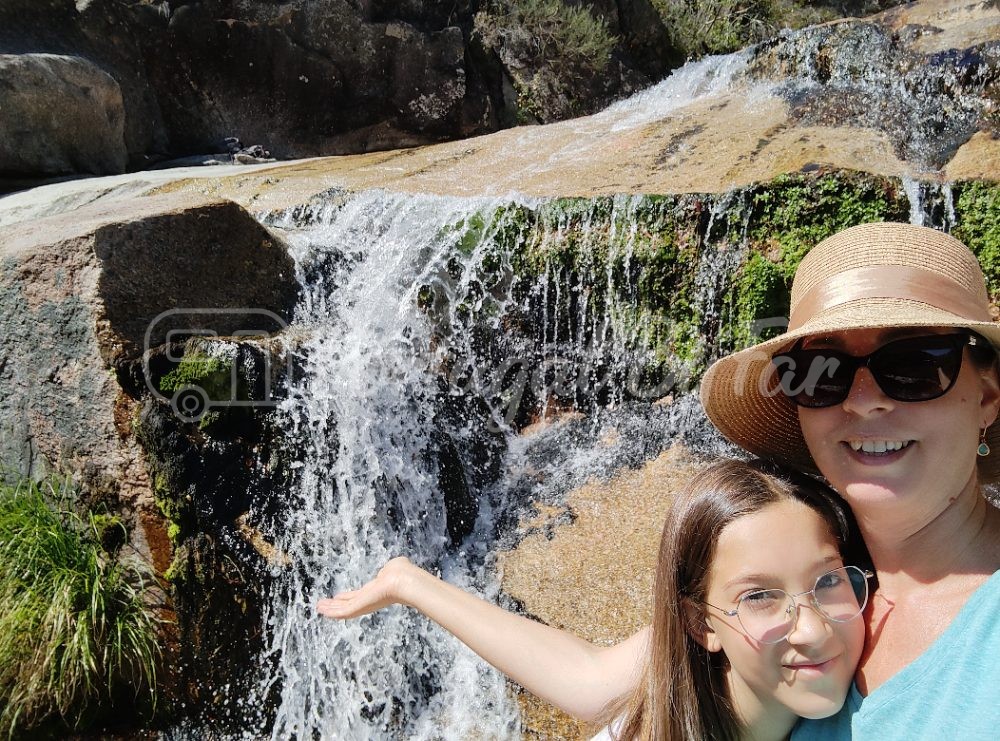
Northern Portugal had given us electric outages and forgotten villages, medieval bridges and Belgian campsite owners, Shakshuka under the stars and a drive that made me remember I love taking photographs. We were still heading north, still following the road wherever it pointed — and the next chapter would bring us to the edge of Portugal itself, where waterfalls and forces of nature are at their prime.
This post contains affiliate links. If you book or buy through them we earn a small commission at no extra cost to you. This helps us grow and share as many recommendations to help you have your best trip.
Drop us a comment
Share your thoughts about Portugal — we read every message. Be kind, be curious.
Leave a comment
Comments