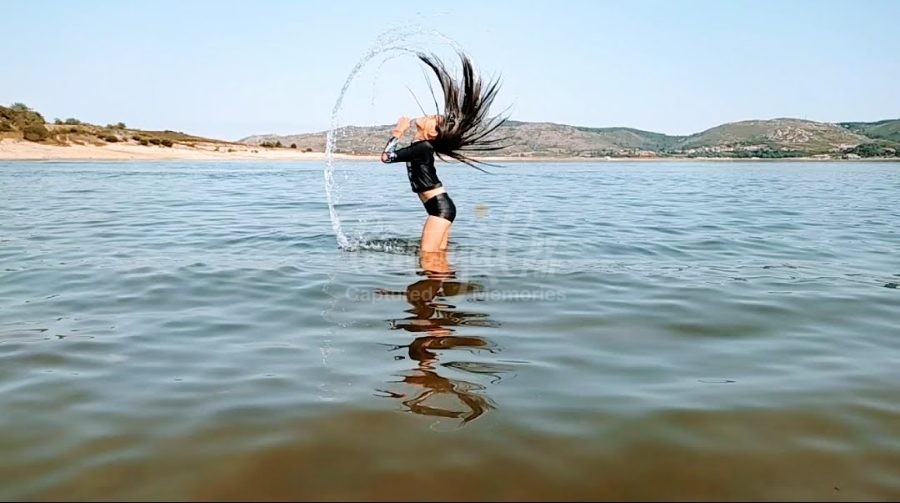
Chapter 11 — Hot Springs, River Beaches and the Mystical Castle of Montalegre
We drove to Bande quietly.
That's the only way to describe it — quietly, unhurried, the morning still cool, the road winding through the kind of northern Spanish landscape that asks nothing of you except to pay attention. We parked at the top parking spot — no heroics, no attempting the steep path down to the lower lot with our setup — and walked down on foot to the thermal springs.
Arriving early was one of the better decisions we made that day.
The Roman Hot Springs of Bande — Ancient, Free and Completely Extraordinary
The pools were quiet when we got there. A handful of other visitors, enough space to settle in without feeling crowded, and water so hot that the first contact with it felt genuinely unreal.
We lowered ourselves in slowly. The bath floor was slippery and green with algae, the stone walls warm to the touch, the water bubbling softly around us. We sat on the floor of a Roman thermal pool, backs against ancient stone, and let two thousand years of history soak into our bones.
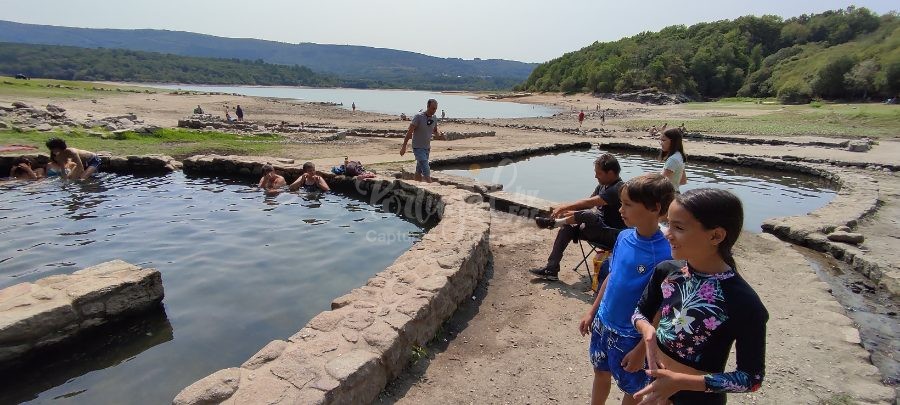
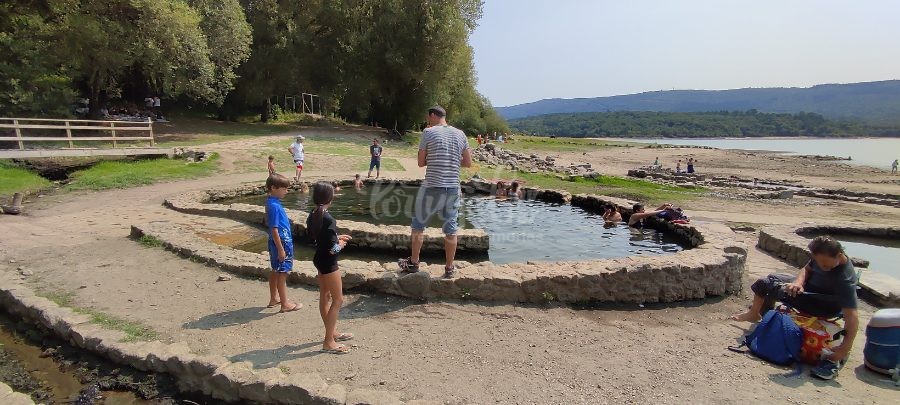
When it got too hot — and it did, quickly — we climbed out and walked the few steps to the edge of the reservoir to dip into the cold water. The contrast was shocking and perfect. Blue lips, goosebumps, the particular gasp of cold water after extreme heat. Then back into the hot pool the moment the cold became too much. Hot, cold, hot, cold — we did this more times than was probably dignified and enjoyed every single one.
The Roman hot springs at Bande are completely free, completely extraordinary and completely unlike any spa experience you have ever paid good money for. But getting there early matters — and if you want to be first in the water before the crowds arrive, staying on the Portuguese side the night before and crossing in the morning is the smartest move. There's a lovely selection of accommodation near the Galician border in northern Portugal and some beautifully positioned rural stays in the Alto Barroso region that make the perfect base for a morning hot springs run across the border.
Five Things Worth Knowing About the Roman Hot Springs of Bande:
Romans soaked here 2,000 years ago — and you still can, for free. During the construction of the Via Nova road between Braga and Astorga, the Romans established a military camp here specifically because of the thermal springs — vital for the therapeutic needs of soldiers and for recreation. Two thousand years later the springs still flow, the pools are still open, and entry costs absolutely nothing.
The baths were lost underwater for decades — and rediscovered by bubbles. When the Fenosa hydroelectric company flooded the Limia valley in 1948, the ancient baths disappeared entirely under the new reservoir and were forgotten. It wasn't until around 1985 that archaeologists noticed something strange — bubbles rising from the bottom of the water, the heat of the thermal springs mixing with the cold reservoir above. That's how they found them again.
The water temperature ranges from warm to seriously hot. Between 36° and 48° Celsius, with traditional healing properties attributed to it for rheumatism and skin conditions. Visitors with blood pressure issues are advised not to stay in for more than 15 minutes — which tells you everything you need to know about how powerful this water actually is.
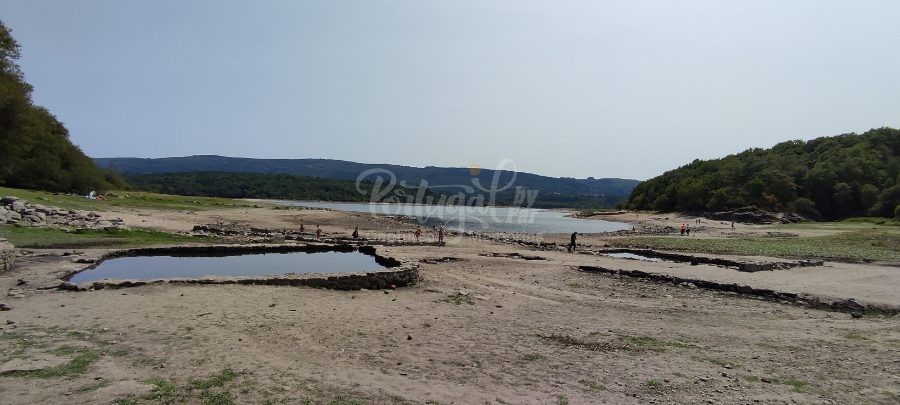
The pools can disappear entirely depending on the season. During wetter months when reservoir levels rise, the springs flood completely and the pools vanish underwater. Timing your visit matters enormously. We got lucky.
It is one of the only places in the world where you can bathe in 2,000-year-old Roman thermal pools, outdoors, completely free, day or night. No ticket booth, no reservation, no spa brochure. Just ancient water, open sky, mountains all around, and the same view the Roman legionnaires had when they climbed out of these same pools two millennia ago.
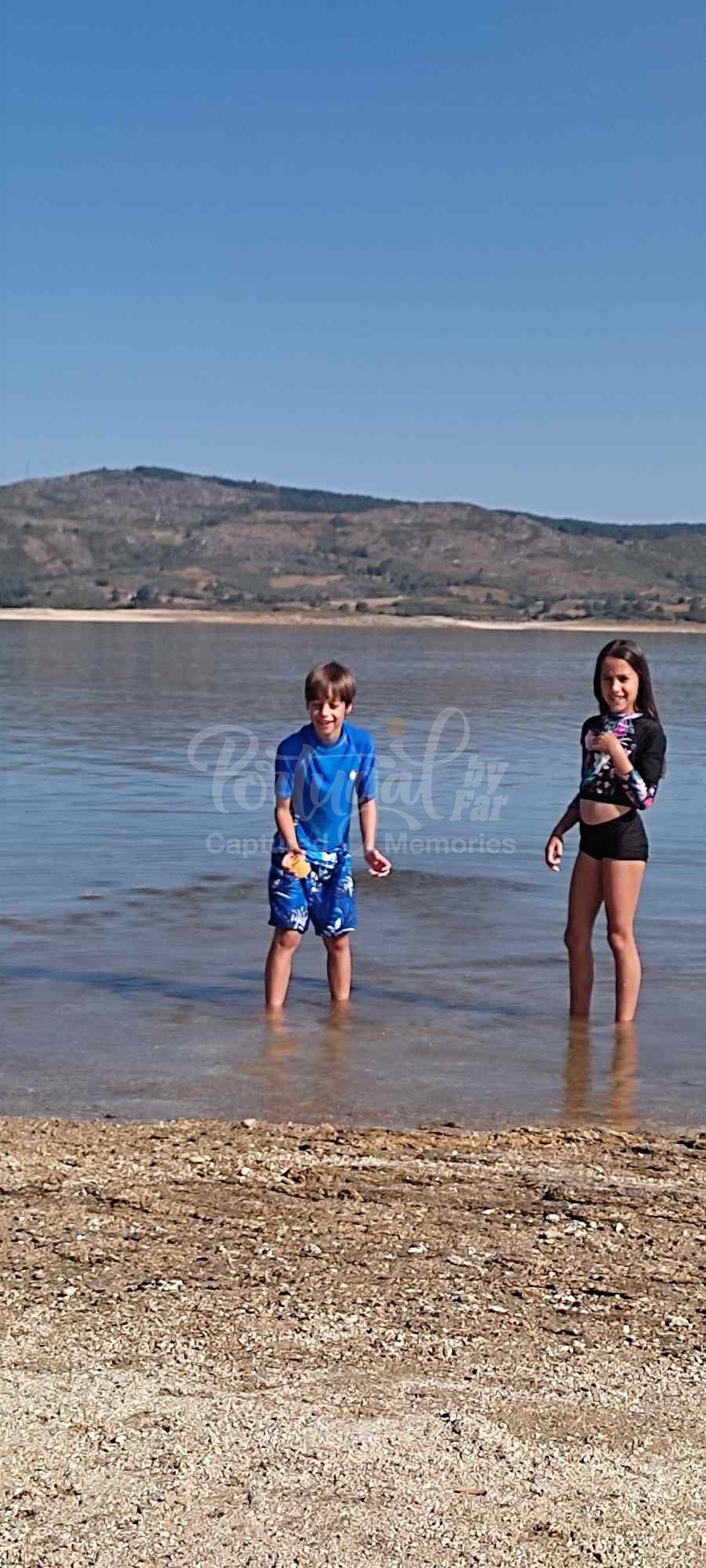
Hot pool, cold reservoir, hot pool, cold reservoir — we did this loop more times than was dignified and enjoyed every single one. There is genuinely nothing else to do at the Bande hot springs except this, and it is completely enough. If the idea of an afternoon of Roman thermal bathing followed by a peaceful night in the mountains sounds like your kind of trip, there's a great range of spa and nature accommodation near Bande and Ourense on the Spanish side and some wonderful rural guesthouses in the Galicia border region that put you within easy morning distance of the pools.
The story of how these pools were lost underwater for decades and rediscovered by bubbles rising from the reservoir bottom is one of the most extraordinary archaeological recovery stories we've ever come across — and the fact that you can sit in those same pools for free, any time of day or night, with nothing between you and two thousand years of history, is genuinely remarkable. If that's the kind of travel experience that calls to you, the wider Ourense province in Galicia is one of the most thermal-rich regions in all of Europe, with a wonderful range of thermal spa hotels and rural accommodation in Ourense and some beautiful historic parador and boutique stays in Galicia if you want to extend the hot springs experience into a proper Galician mini break.
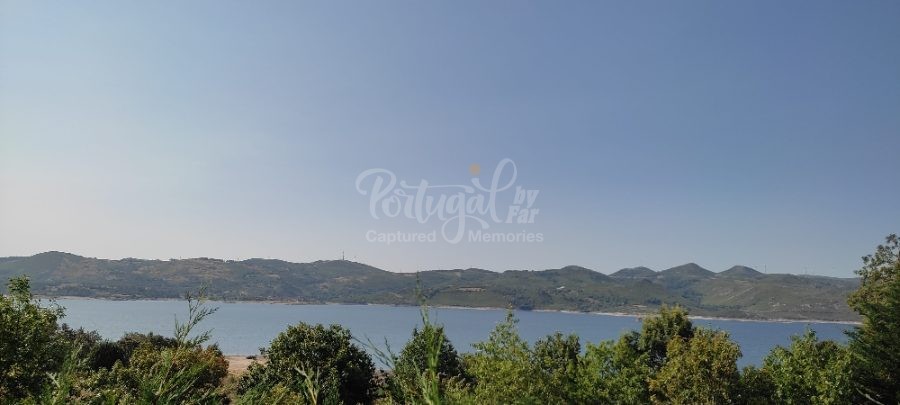
Back Into Portugal — The River Beach at Aquabarroso
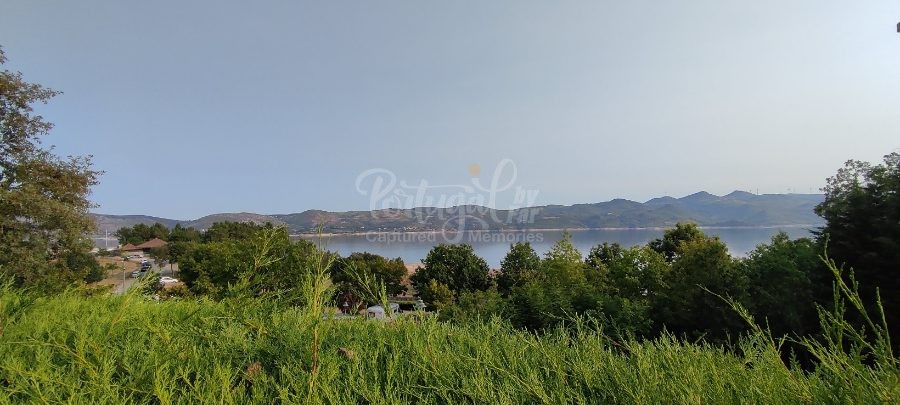
We crossed back into Portugal and headed to our next campsite — Aquabarroso Campismo, sitting right on the bank of the Rabagão River.
If the hot springs were extraordinary, this was simply lovely. A river beach, peaceful and unhurried, not overcrowded, exactly the kind of place where you pull in, look around, and immediately feel your shoulders drop. We found a quiet spot — there were plenty to choose from — changed into our swimwear and walked straight down to the water.
Cold river water after a morning in thermal pools felt completely correct. We stayed in the water until the late afternoon light started to soften, then cooked dinner at our spot and slept to the sound of the river.
We went back to the river the next morning and stayed for hours — which tells you everything you need to know about the Rabagão. It's one of those places where doing nothing is genuinely the right activity. If you want to build a few slow days around this river and the mountains surrounding it, there's a wonderful range of nature tourism accommodation in Trás-os-Montes and some beautiful remote rural retreats with river access in this deeply underrated corner of northern Portugal.
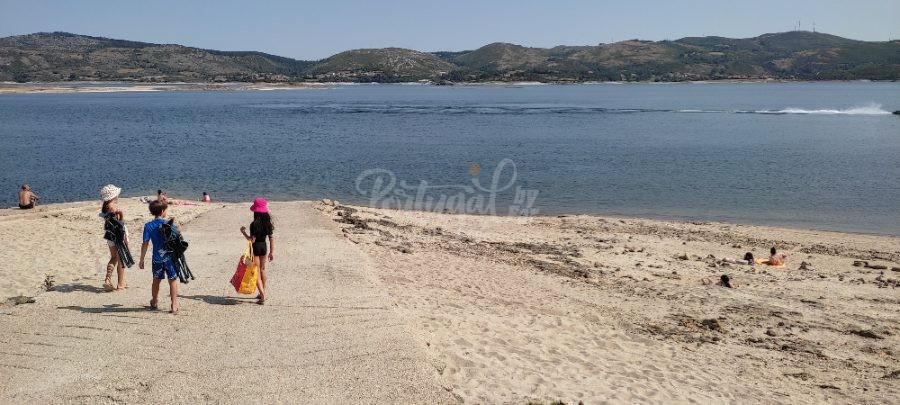
After a morning of alternating between Roman hot pools and a freezing reservoir, pulling into Aquabarroso Campismo on the bank of the Rabagão River felt like arriving exactly where we were supposed to be. If you're traveling without a caravan and want to stay close to this beautiful stretch of river in the heart of the Barroso mountains, there's a lovely selection of accommodation near the Alto Rabagão reservoir and some genuinely peaceful river and mountain stays in the Barroso region that give you that same cold water, clean air, total silence combination that made us stay two nights instead of one.
The Barroso mountain region between the Rabagão River and Montalegre is one of those stretches of Portugal where you find yourself slowing down without deciding to — the landscape just does it to you. If you want to base yourself here for a few days and use it as a hub for the hot springs, the river and the castle, there's a good selection of countryside guesthouses between Montalegre and the Rabagão and some lovely farm stays and rural tourism properties in the Barroso highlands that make the whole region feel like your own private corner of Portugal.
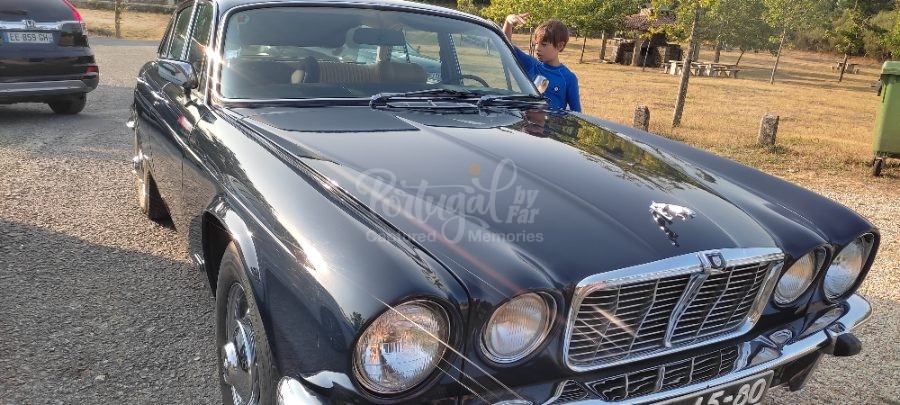
Montalegre — The Mystical Town and Its Haunted Castle
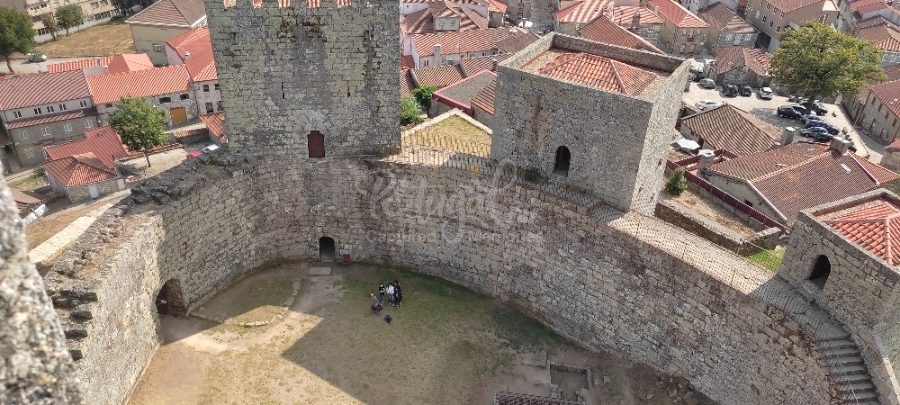
The following morning we drove to Montalegre.
It announced itself the way old mountain towns do — slowly, the castle appearing on the hilltop before anything else, stone towers against the sky, centuries of watching over the valley written into every wall. The town below it felt quiet and a little otherworldly, the kind of place where the past sits close to the surface.
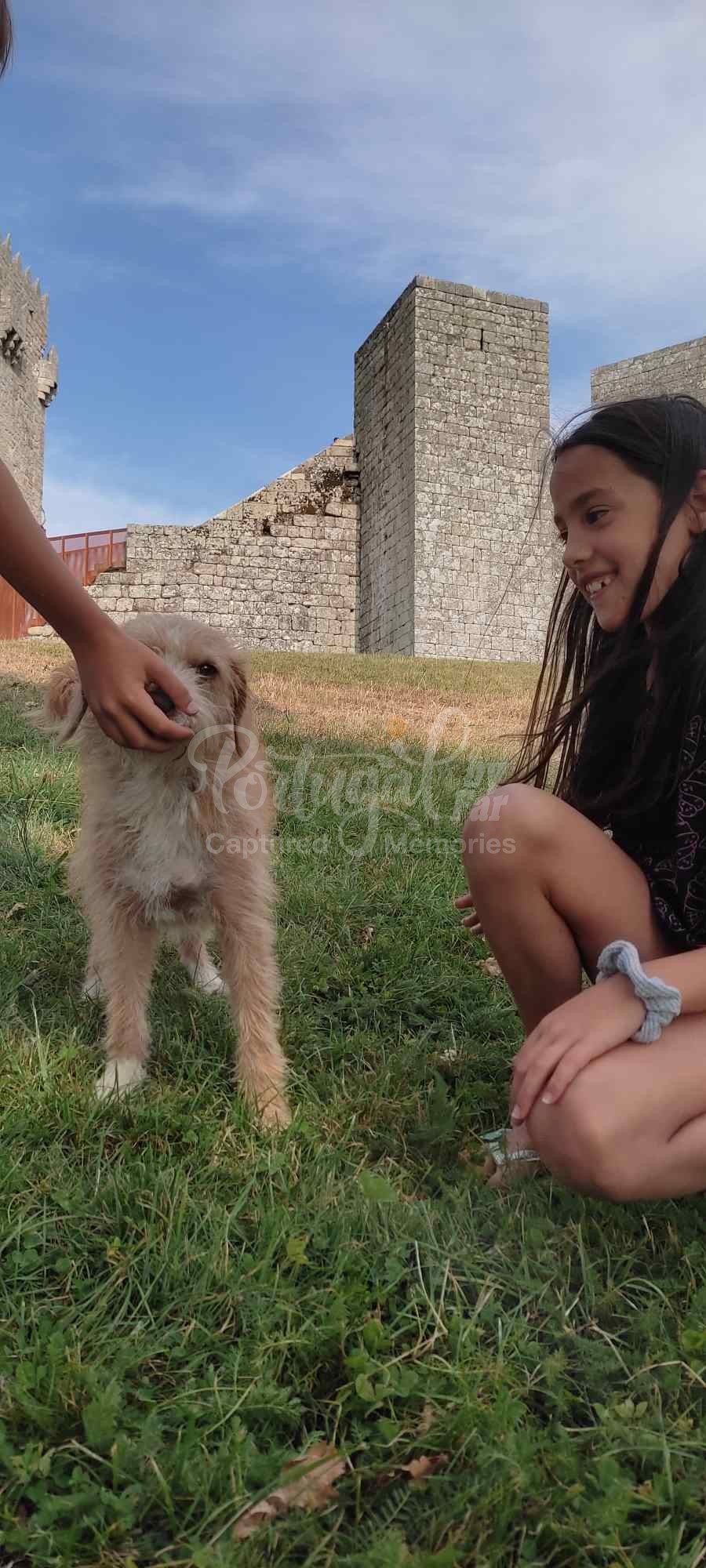
A very friendly staff member greeted us at the castle entrance — her dog equally welcoming, immediately adopting us as his responsibility for the visit. She gave us a brief introduction to the castle's history, and then issued what felt very much like a challenge: had we considered climbing to the top of the keep?
Four of us accepted immediately. Hagi, displaying both wisdom and excellent judgement, elected to wait for us on the ground.
Montalegre announces itself with its castle on the hill before anything else — and that first glimpse from the road below is enough to make you pull over. If the mystical atmosphere of this extraordinary mountain town appeals to you and you want to stay long enough to actually feel it, the three places we'd point you toward are all bookable through Booking.com — there's a great selection of accommodation in Montalegre town center ranging from cozy family guesthouses within walking distance of the castle to rural hotel stays with reservoir views just outside town.
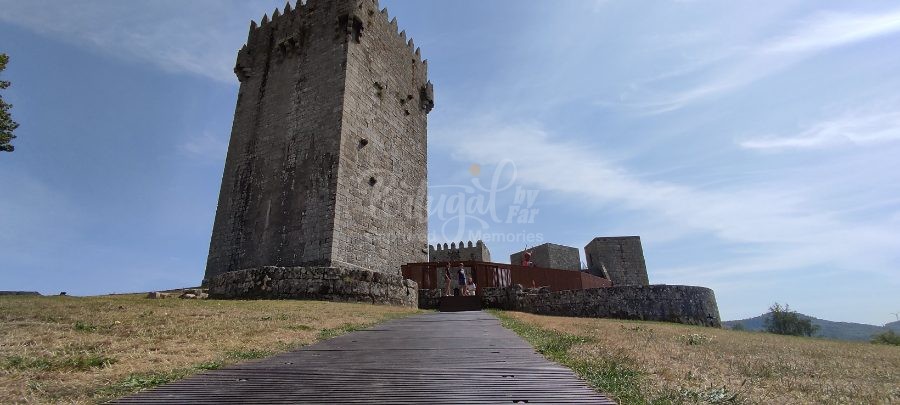
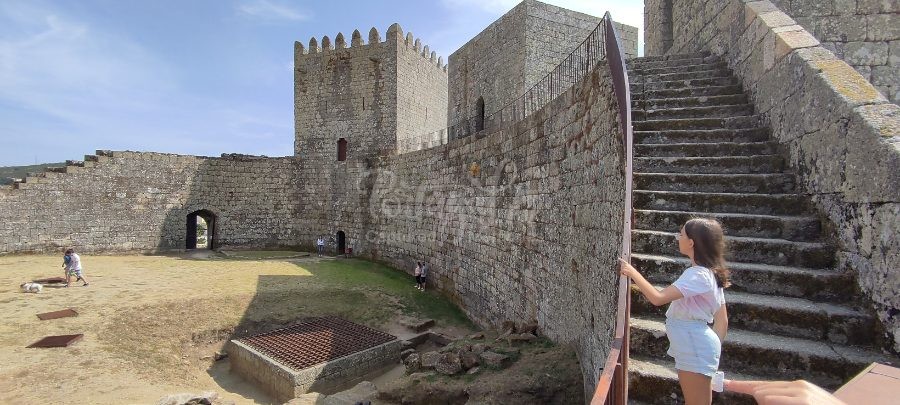
27 Metres Straight Up
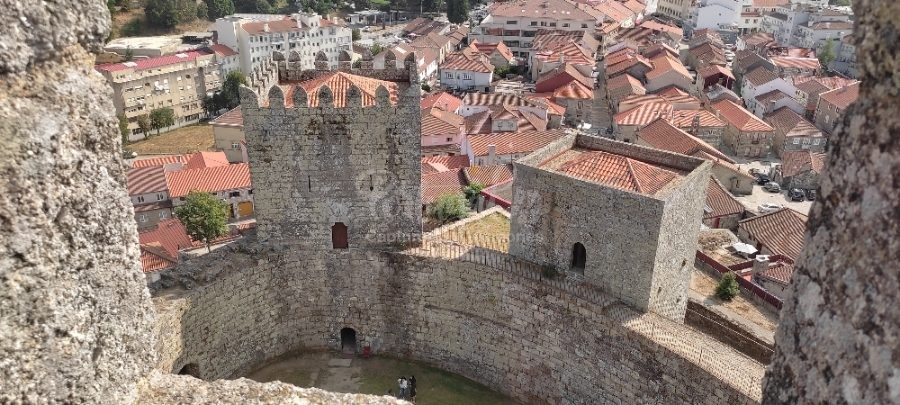
The stairs inside the keep are everything modern stairs are not. Narrow — sometimes barely wide enough for one person — steep, uneven, winding, the stone worn smooth by seven centuries of boots before ours. We counted as we climbed. We reached 100 and still had a way to go.
When we finally pushed through the opening at the top and stepped out onto the battlements, we were breathless — from the climb and from what was waiting for us. Views stretching in every direction, far into Spain, mountains rolling to every horizon, the tiny town of Montalegre spread below us looking exactly as it must have looked to the soldiers who stood on these same battlements in the 13th century.
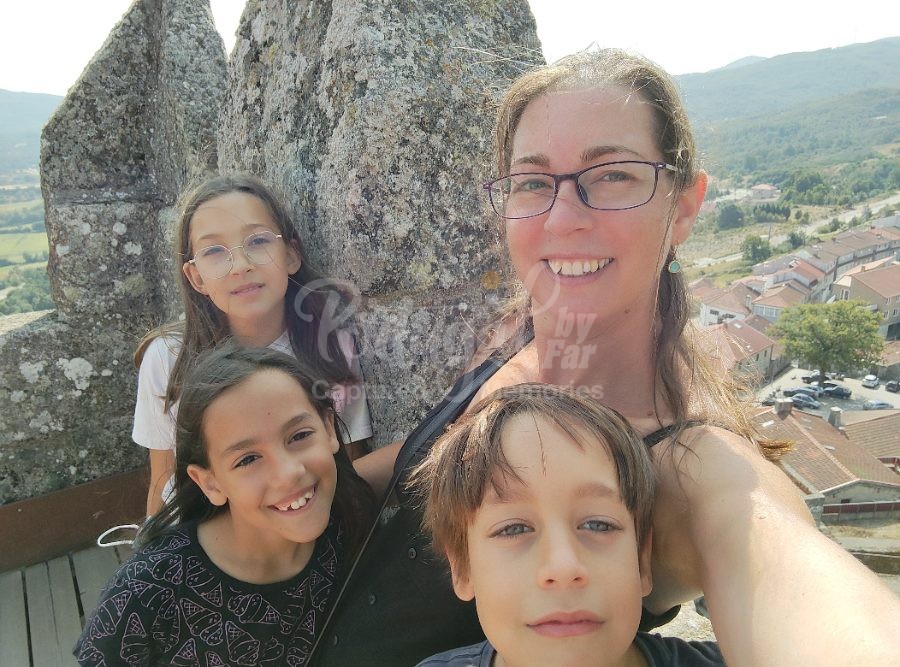
We took our victory photos. We caught our breath. We stayed longer than we planned.
Then we climbed back down, possibly more carefully than we'd gone up, and found Hagi exactly where we'd left him, patient and unbothered, having spent a very pleasant time exploring the castle courtyard at ground level without breaking a sweat.
He had no regrets.
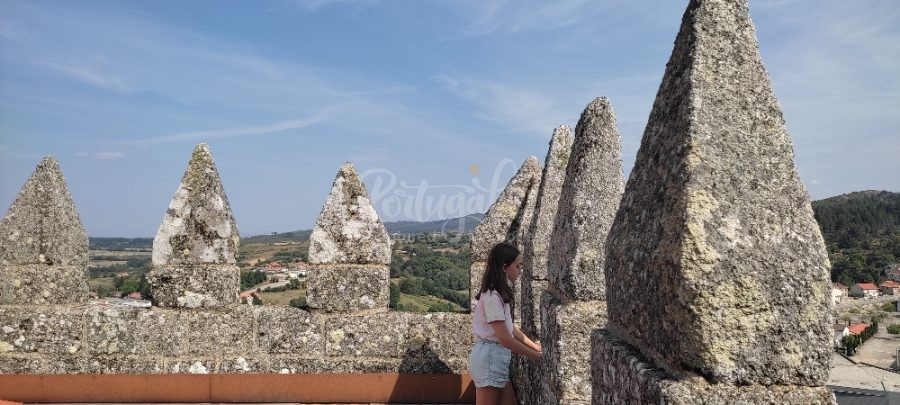
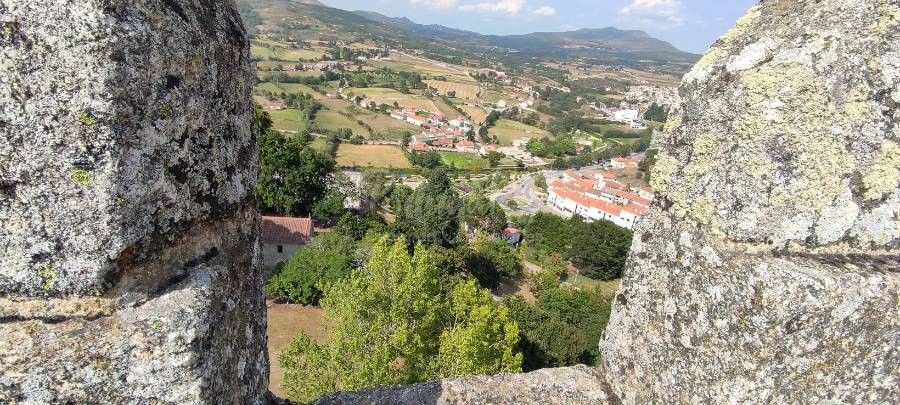
Twenty-seven metres of narrow medieval stone stairs, each one worn smooth by seven centuries of boots, and a view from the top that stretches all the way to Spain — Montalegre Castle earns the climb completely. If this sounds like your kind of afternoon, plan to stay the night in town and do the castle at both sunset and sunrise when the light is extraordinary and the car park is empty. There's a lovely range of boutique and characterful guesthouses in Montalegre and some genuinely special mountain view stays in the Barroso highlands that wake you up with the castle right outside your window.
The Town That Made Halloween Permanent
Wandering the town afterwards, we started to understand Montalegre's particular personality. This is a place that has fully leaned into its reputation for mysticism — and not in a gimmicky tourist way. It runs deeper than that.
Every time a Friday falls on the 13th of the month — any month, any time of year — Montalegre transforms. Street performances, witch-themed decorations, pyrotechnic displays, the whole town given over to a spectacle that has been running since 2002 and draws thousands of visitors every time. It's Portugal's own Halloween, but weirder and wilder and with no fixed date on the calendar. You simply have to check, and if you're lucky enough to be in northern Portugal on one of those Fridays, come here.
If you happen to be in northern Portugal on a Friday the 13th — any Friday the 13th, any time of year — come to Montalegre. Street performances, witch-themed decorations, pyrotechnic displays, the whole town transformed into something between a festival and a fairytale. We missed it by bad timing and have been planning to come back for it ever since. If you want to be here for it, book early — the town fills up completely and the best accommodation in Montalegre goes fast, including the most beloved family guesthouses and rural hotels in the castle area that book out months in advance for those dates.
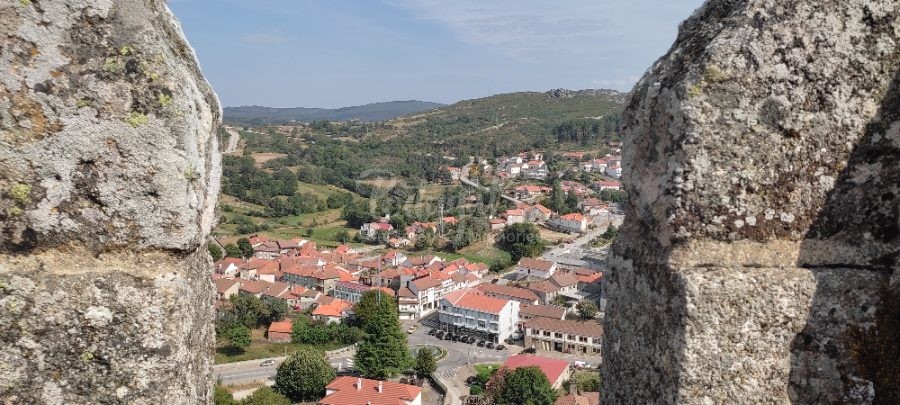
If You're Staying in Montalegre
The Barroso highlands around Montalegre are one of the last truly wild, truly unhurried corners of mainland Portugal — the kind of place where the modern world arrived late and stayed quietly. If you want to explore this whole region properly — castle, river, hot springs, national park, forgotten villages — there's an excellent base in the best rural accommodation hub in the Trás-os-Montes highlands and some genuinely beautiful wine and nature estate stays in the Barroso that combine everything this extraordinary highland region does best in one stay.
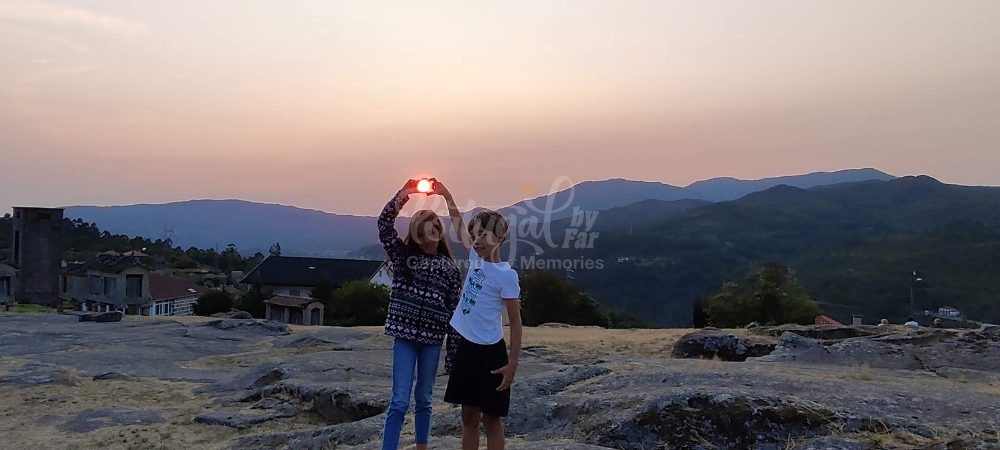
We packed up and drove on as the sun started its descent behind the mountains. The north had given us Roman baths and river beaches, a haunted castle and a witch festival we just missed. The Barroso highlands around Montalegre are one of the last truly wild, truly unhurried corners of mainland Portugal — the kind of place where the modern world arrived late and stayed quietly — and if you want to explore this whole region properly there's an excellent range of wine and nature estate stays in the Barroso that combine everything this extraordinary highland region does best in one stay. There was still one more surprise waiting for us before we turned the caravan around — and it involved pink laundry, a medieval canyon, and a beer we didn't plan to drink.
Drop us a comment
Share your thoughts about Portugal — we read every message. Be kind, be curious.
Leave a comment
Comments